
Active gum disease is one of the strongest known risk factors for a placed implant later failing. A history of periodontal disease is named directly in official European guidelines as a peri-implant disease risk factor, alongside smoking, poor plaque control, and diabetes, already covered in Dental Implants and Diabetes/Smoking.
That’s why treatment order isn’t a scheduling detail, it’s a clinical decision that materially changes implant survival odds. This guide covers what actually needs to happen to gum tissue before an implant goes in, and why.
Key Takeaways Official European periodontology guidance recommends treating active gum disease fully, through a staged protocol of hygiene control, deep cleaning, and reassessment, before implant placement, since a history of periodontal disease is a named risk factor for peri-implant disease. Skipping this step doesn’t just risk the implant itself; it risks the same bone-loss process that caused the original tooth loss repeating around the new implant.
Why Does Treating Gum Disease First Actually Matter?
A history of periodontal disease is explicitly named as a risk factor for peri-implant disease in the European Federation of Periodontology’s evidence-based clinical guideline on treating peri-implant conditions (Herrera et al., Journal of Clinical Periodontology, 2023). Placing an implant into gum tissue with active, untreated infection carries that same disease process directly into the new site.
[CITATION CAPSULE] A history of periodontal disease, alongside smoking, poor plaque control, and diabetes, is named as a risk factor for peri-implant disease in the European Federation of Periodontology’s 2023 evidence-based clinical guideline, the basis for why active gum disease should be treated before implant placement, not alongside it (Herrera et al., Journal of Clinical Periodontology, 2023).
Peri-implantitis, the implant-specific version of the same bone-destroying process that caused the original tooth loss, is already covered in How Long Do Dental Implants Last? with figures showing 52-66% of implants developing bone loss by year 2-3 in some data. Untreated gum disease at placement time is one of the clearest ways to land in that higher-risk group.
What Does the Actual Treatment Sequence Look Like?
The recommended sequence runs in stages, not a single visit: hygiene instruction and risk-factor control first, then non-surgical deep cleaning (sub-gingival instrumentation), then reassessment, with surgical treatment reserved for pockets that persist after the earlier steps (European Federation of Periodontology S3 clinical guideline, 2023). Only once the gum tissue is stable does implant planning proceed.
[UNIQUE INSIGHT] Patients sometimes assume gum treatment and implant planning can run in parallel to save time. The guideline structure argues against that: reassessment after non-surgical treatment determines whether surgery is even needed, and jumping ahead skips the exact checkpoint that tells a dentist whether the tissue is actually ready.
How Long Does Gum Disease Treatment Actually Take Before Implants Can Proceed?
Reassessment after scaling and root planing typically happens at a minimum of 3 to 4 weeks, with some clinical guidance extending that to 6 to 8 weeks, since the connective tissue involved can take as long as 12 weeks to fully heal (Hempton, Dimensions of Dental Hygiene, 2022, citing Morrison et al., 1980, and Proye et al., 1982). That single reassessment appointment, not a fixed calendar length, is what actually determines how much longer the process takes.
[CITATION CAPSULE] Reassessment after non-surgical periodontal treatment typically happens at a minimum of 3 to 4 weeks, since clinical attachment gain and reduced probing depths were shown to improve meaningfully at the 1-month mark in foundational research, with some guidance extending the interval to 6 to 8 weeks to allow fuller tissue healing (Hempton, Dimensions of Dental Hygiene, 2022).
What that reassessment finds determines the next stretch of timeline. Pockets that shrink to 3mm or less generally move into maintenance, close to implant-planning readiness. Pockets remaining at 4 to 5mm typically need additional non-surgical therapy, adding weeks. Deeper pockets that persist point toward surgical treatment, extending the process by months rather than weeks (aggregated periodontal clinical staging guidance).
[UNIQUE INSIGHT] This means two patients starting gum treatment on the same day can land on genuinely different implant-planning timelines, one might be maintenance-ready within 6 to 8 weeks, another might need several more months of staged treatment. Asking specifically what the reassessment found, not just “how’s my treatment going,” is the more useful question to bring to a follow-up visit.
What Happens After Treatment, Before Implant Placement?
Successfully treated periodontal patients move into ongoing supportive periodontal care, ideally already stable and enrolled in ongoing maintenance, before implant planning proceeds, not a one-time treatment followed by immediate placement (European Federation of Periodontology guideline, 2023). Stability, not just completed treatment, is the marker that matters.
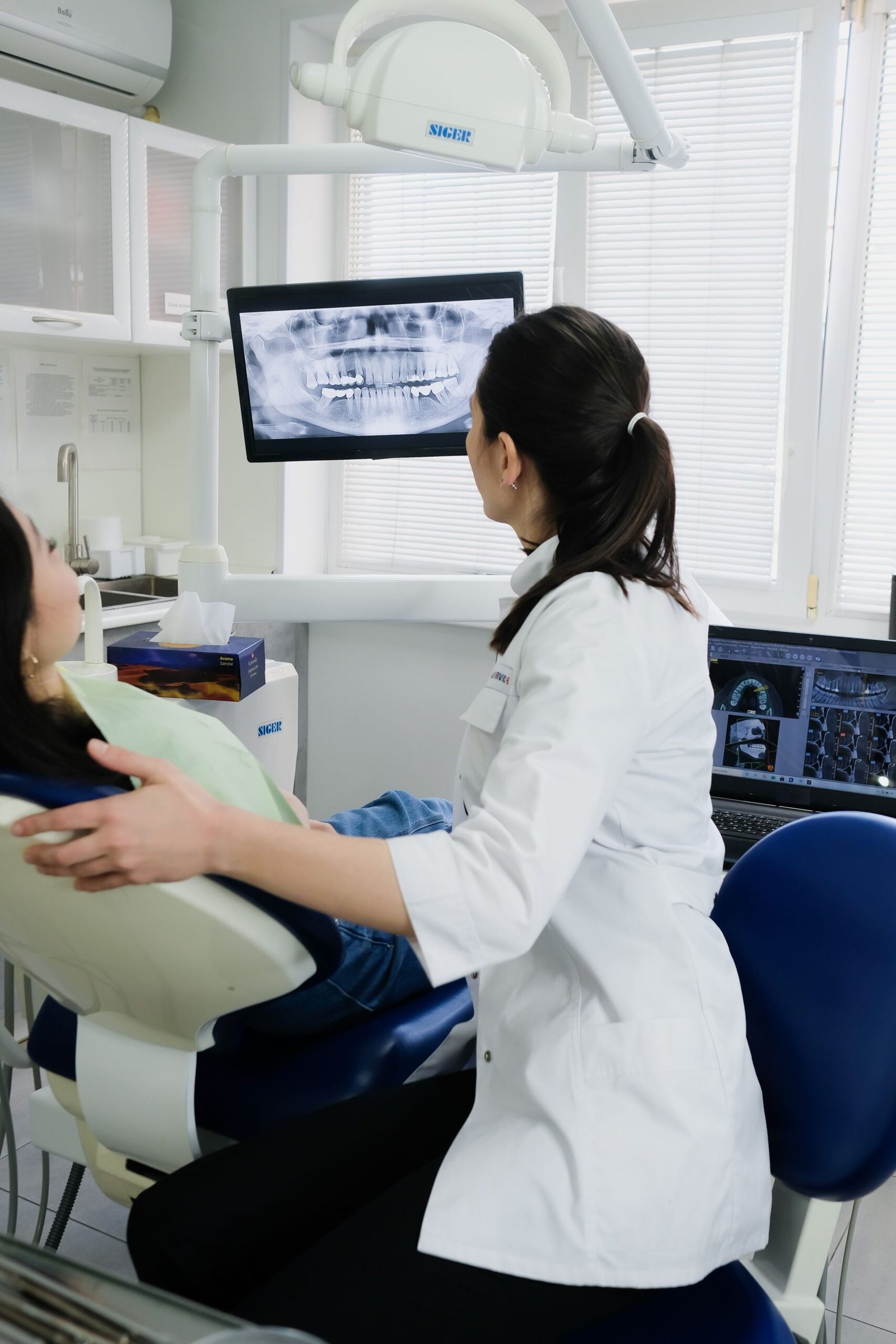
[PERSONAL EXPERIENCE] This sequencing conversation tends to land better once framed around the original problem, active gum disease was likely part of why teeth were lost in the first place, so skipping straight to implants without addressing it risks the same process happening again, just around a titanium post instead of a natural tooth root.
[ORIGINAL DATA] We’re evaluating tracking, in general terms, how often patients referred for periodontal treatment before implant planning actually complete that treatment before returning for implant consultation, without publishing a figure until that’s properly documented.
Frequently Asked Questions
Can I get dental implants if I have gum disease?
Not immediately. Active gum disease needs to be treated and stabilized first, through hygiene control, deep cleaning, and reassessment, before implant planning proceeds, since periodontal disease history is a named risk factor for the implant’s own future disease.
What happens if implants are placed without treating gum disease first?
Untreated infection at placement time carries directly into the new implant site, raising the risk of peri-implantitis, the same bone-destroying process that likely caused the original tooth loss.
How long does gum disease treatment take before implants can proceed?
Reassessment typically happens 3 to 8 weeks after non-surgical treatment, and what it finds determines the rest of the timeline: pockets at 3mm or less move toward maintenance, deeper pockets need additional treatment that can add weeks to months. Stability, not a fixed calendar length, is what determines readiness.
Does treated gum disease increase implant failure risk permanently?
A history of periodontal disease remains a named risk factor even after treatment, which is why ongoing supportive periodontal care and more frequent implant maintenance visits matter more for these patients specifically.
Who decides if my gums are ready for implants?
Reassessment after non-surgical periodontal treatment determines whether pockets have resolved or surgical treatment is still needed, this checkpoint, not patient preference or scheduling convenience, decides readiness.
Conclusion
Treatment order for gum disease and implants isn’t a formality, it’s the difference between placing an implant into stable, healthy tissue and placing one into an active disease process that’s likely to recur around it. The staged sequence exists because each step determines whether the next is actually needed.
A periodontal evaluation before implant planning is worth requesting directly if gum health hasn’t been recently assessed. For the broader candidacy picture this fits into, see Am I a Good Candidate for Dental Implants?.
Sources
- Herrera D et al., Prevention and treatment of peri-implant diseases—The EFP S3 level clinical practice guideline, Journal of Clinical Periodontology, retrieved 2026-09-01, 2023 (Tier 1, official evidence-based clinical guideline, European Federation of Periodontology)
- Hempton TJ, The Right Interval for the Reevaluation Appointment, Dimensions of Dental Hygiene, retrieved 2026-09-15, 2022 (Tier 2-3, clinical publication citing Morrison et al., 1980, and Proye et al., 1982)
- Aggregated periodontal clinical staging guidance on pocket-depth-based treatment decisions, retrieved 2026-09-15, 2025/2026 (Tier 3-4, clinical consensus)
- Cross-referenced peri-implantitis prevalence and risk-factor data, from this site’s How Long Do Dental Implants Last and Diabetes/Smoking Risk Factors spokes, retrieved 2026-09-01