
Patients with implants, veneers, and whitened teeth often get three separate sets of care instructions, one per treatment, when what they actually need is a single daily routine that covers all three at once. This piece pulls together the maintenance guidance already published across this site into one practical routine.
Nothing here re-derives the underlying data, every recommendation links back to where the evidence actually lives.
Key Takeaways One combined daily routine covers implants, veneers, and whitened teeth: standard brushing and flossing technique works for all three, a nightguard protects both implants and porcelain veneers from bruxism, and staining habits matter most for composite veneers and whitened teeth specifically, not porcelain. Recall visits every 6 months or less, per the maintenance schedule already covered, check all three at once.
What Does a Combined Daily Routine Actually Look Like?
Standard brushing and flossing technique works across implants, veneers, and whitened natural teeth, there’s no separate brushing method required for any of the three specifically. What changes is what to watch for: implant sites benefit from attention at the gumline where peri-implant tissue sits, and veneer margins benefit from the same care given to natural gumlines.
A nightguard for bruxism protects implants and porcelain veneers from the same repetitive load, already covered in What Actually Damages Dental Work, one device, multiple treatment types protected at once. Reducing coffee, tea, red wine, and smoking exposure matters specifically for composite veneers and whitened natural teeth, both of which stain, while porcelain veneers and implant crowns generally don’t.
[CITATION CAPSULE] A single daily routine, standard brushing and flossing plus a nightguard for anyone with bruxism, covers implants and veneers together, with only staining-exposure reduction (coffee, tea, wine, smoking) applying specifically to composite veneers and whitened natural teeth rather than porcelain or implant crowns (cross-referenced maintenance guidance from this site’s implant and veneer content).
Does Whitening Toothpaste Damage Veneers?
Potentially, and not in the way most patients expect. A 2025 in vitro study testing three toothpastes, including one whitening formula, found that all of them significantly increased surface roughness on composite resin after simulated brushing equivalent to 24 months of use, regardless of RDA (relative dentin abrasivity) value (Ferreira et al., Brazilian Oral Research, 2025). RDA is the number toothpaste marketing typically points to as the safety measure, and this study found it didn’t reliably predict which toothpaste caused more roughness.
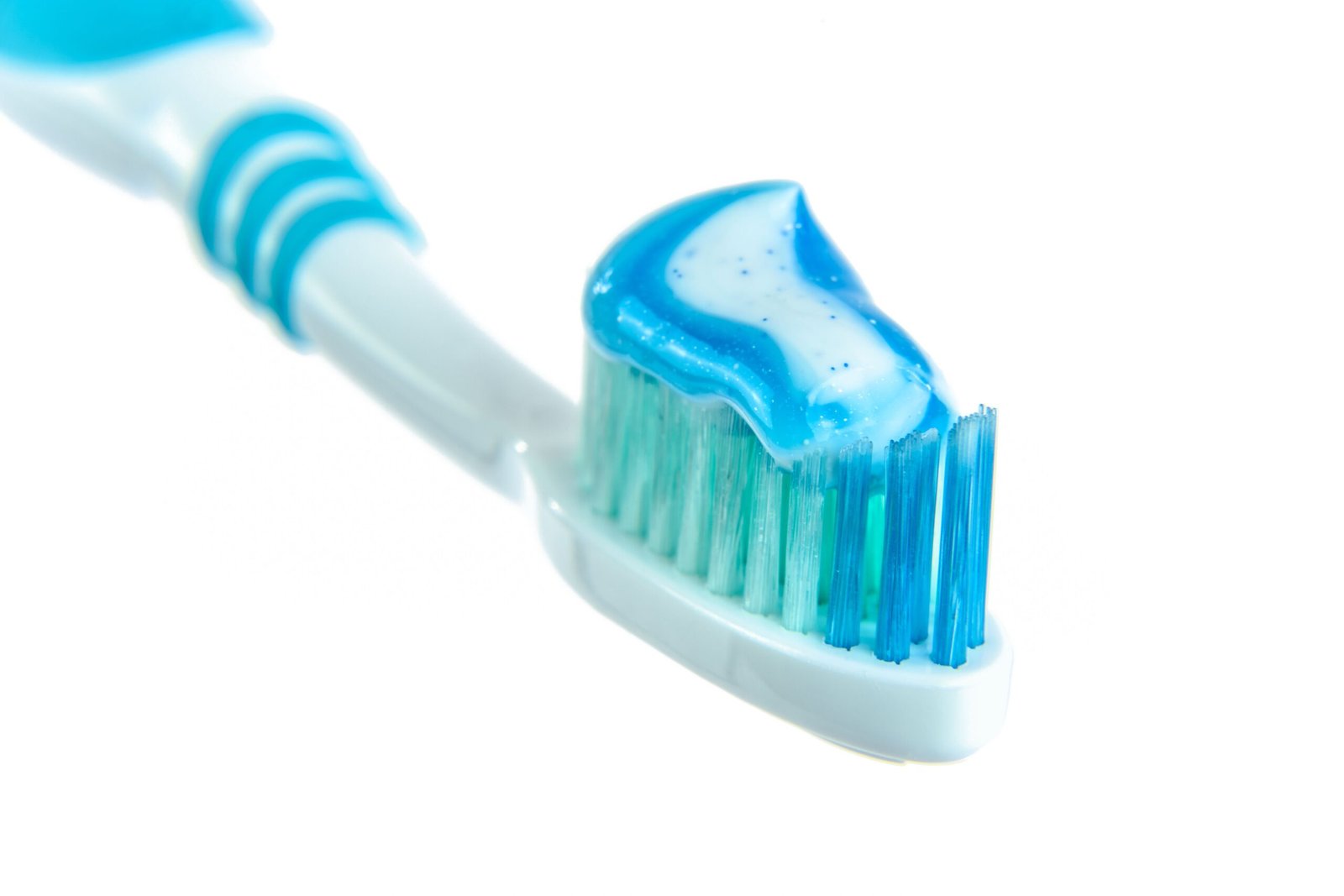
[CITATION CAPSULE] A 2025 in vitro study found that all three toothpastes tested, including a whitening formula, significantly increased surface roughness on composite resin over simulated 24-month use, and RDA value alone didn’t reliably predict which toothpaste caused more damage, a lower-RDA toothpaste in the study actually roughened one composite resin more than a higher-RDA competitor (Ferreira et al., Brazilian Oral Research, 2025).
[UNIQUE INSIGHT] This complicates the simple “pick a low-RDA toothpaste” advice that circulates for veneer patients. RDA still matters generally, but this specific study found it wasn’t the reliable predictor marketing suggests, the safest practical takeaway is asking a dentist to recommend a specific product rather than reading the RDA number alone off a box.
How Do Recall Visits Fit Into This Routine?
A single recall visit, every 6 months or less per the schedule already covered in How Often Should You See a Dentist If You Have Implants or Veneers?, checks all three treatment types at once, peri-implant probing, veneer margin integrity, and general staining and wear. There’s no need for separate implant-only or veneer-only appointments.
[UNIQUE INSIGHT] Patients managing multiple treatment types sometimes over-engineer their own routine, assuming more products or more frequent separate care equals better outcomes. The actual evidence points the other direction: one consistent routine, checked at one recall interval, covers everything that matters.
[PERSONAL EXPERIENCE] The maintenance conversation goes best when it’s framed as one routine with a couple of treatment-specific add-ons, not three parallel routines to remember and keep straight.
Frequently Asked Questions
Do I need different toothbrushes or techniques for implants versus veneers?
No. Standard brushing and flossing technique works across implants, veneers, and natural teeth, there’s no separate method required for any specific treatment type.
Does a nightguard protect veneers the same way it protects implants?
Yes. A nightguard addresses the same repetitive bite-force load that drives fracture and wear risk for both porcelain veneers and implants.
Do whitened teeth need different care than veneers?
For staining specifically, yes, whitened natural teeth and composite veneers both absorb staining over time and benefit from reduced coffee, tea, wine, and smoking exposure, while porcelain veneers and implant crowns generally don’t.
How often should I go in for a combined checkup?
Every 6 months or less is the general recommendation, covering implant probing, veneer margin checks, and overall wear and staining assessment in a single visit.
Is a separate maintenance product needed for implants specifically?
Not typically for daily home care, standard oral hygiene tools work. The gumline around an implant deserves the same careful attention as any natural gumline, not a specialized product.
Is whitening toothpaste safe for veneers?
Use caution. A 2025 study found all toothpastes tested, including a whitening formula, increased composite roughness over simulated long-term use, and the RDA number alone didn’t reliably predict which was gentlest, worth asking a dentist for a specific product recommendation instead.
Conclusion
Managing implants, veneers, and whitening together doesn’t require three separate routines. One consistent daily habit, checked at one recall interval, covers nearly everything, with staining-exposure reduction as the main treatment-specific addition.
For the specific habits that most commonly undermine this routine, see What Actually Damages Dental Work. For what the evidence says about how long whitening holds and whether coffee and tea shorten it, see How Long Does Teeth Whitening Last?.
Sources
- Ferreira NMR, Lippert VF, Heck ABS, Spohr AM, Kunrath MF, Feldens CA, Kramer PF, Surface roughness of composite resins subjected to brushing with whitening toothpastes: an in vitro study, Brazilian Oral Research, retrieved 2026-09-15, 2025 (Tier 1, peer-reviewed in vitro study)
- Cross-referenced maintenance, staining, and recall-interval guidance, from this site’s How Often Should You See a Dentist, Porcelain vs. Composite Veneers, and How Long Do Dental Implants Last spokes, retrieved 2026-09-04