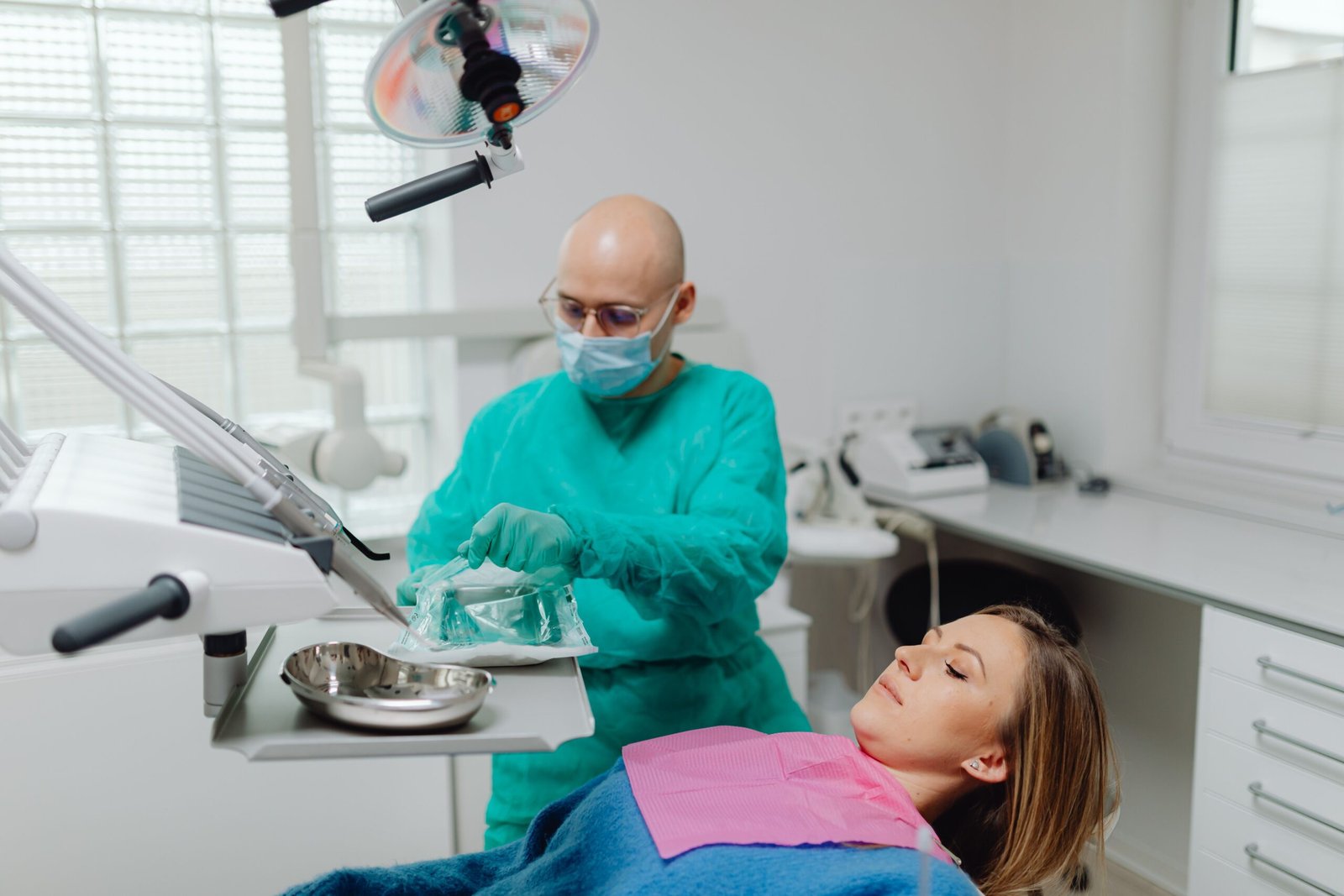
Swelling typically peaks around day 3, and by the end of the first week most patients need no further pain medication. But “recovery” isn’t one timeline, it’s three overlapping ones: soft tissue healing, bone osseointegration, and the final crown, each with a different endpoint.
This guide covers what actually happens day by day for a single implant specifically, not a fixed full-arch bridge, including a documented early infection rate and real guidance on flying, alcohol, and exercise.
Key Takeaways Swelling typically peaks 48-72 hours after single-implant surgery, most discomfort resolves by day 5-7, and soft tissue healing completes within 1-2 weeks, while full osseointegration takes 3-4 months in the lower jaw and 6-8 months in the upper jaw before the final crown is placed. Early postoperative infection occurred in 6.5% of patients and 1.7% of implants in one cohort study, usually diagnosed within the first month.
What Happens in the First 72 Hours?
Numbness fades within 2 to 4 hours as local anesthesia wears off, swelling builds and typically peaks around 48 to 72 hours, and pain medication needs generally drop sharply after this window closes. In one 45-patient study, measured swelling area stayed in a similar range from day 1 through day 7, a reminder that visible swelling doesn’t disappear overnight even as discomfort itself improves.
Stick to liquids and very soft, cool foods (no straws, since suction can disturb the surgical site) and rinse gently with warm salt water starting day 1. Take pain medication on schedule before the numbness fully wears off, rather than waiting until discomfort sets in.
What Does Week 1 Actually Look Like Day by Day?
By days 5 to 7, most patients need no further pain medication, and the surgical site forms a protective soft-tissue seal within the first week that keeps bacteria out while deeper healing continues underneath. Diet can gradually shift from liquids toward soft solids, scrambled eggs, pasta, cooked vegetables, still avoiding anything hard, crunchy, or sticky.
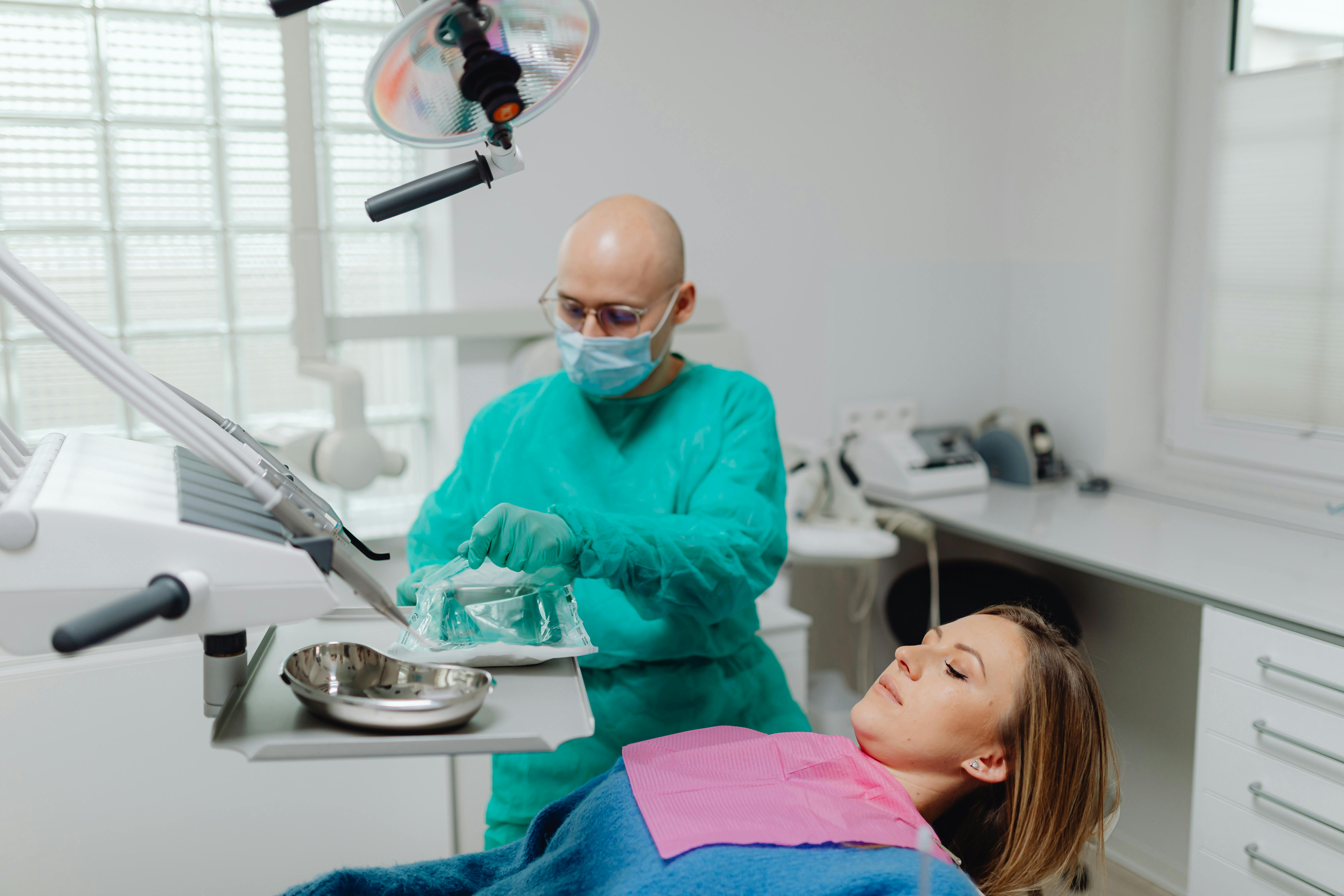
Activity ramps up on a similar curve. Avoid exercise entirely for the first 48 hours, hold off on anything strenuous for a full week, and skip direct brushing right at the surgical site for 3 to 5 days, using salt water rinses instead. Most desk-job patients return to work within 2 to 3 days.
For the same standard applied to full-arch cases, including the specific hygiene technique a fixed bridge requires, see Recovering From All-on-4: Your Week-by-Week Aftercare Guide, a single crown once healed can generally be flossed normally, unlike a fixed multi-tooth bridge.
How Common Are Early Complications, Really?
Uncommon, but documented with real numbers rather than vague reassurance. A cohort study of 337 patients and 1,273 implants found 22 postoperative infections, 6.5% of patients and 1.7% of implants, usually diagnosed within the first month, with 77.3% of those cases needing surgical treatment after antibiotics alone failed (Implant Dentistry, Postoperative Infections After Dental Implant Placement: Prevalence, Clinical Features, and Treatment).

[CITATION CAPSULE] A cohort study of 337 patients and 1,273 implants found postoperative infection in 6.5% of patients and 1.7% of implants, usually diagnosed within the first month, with the majority of infected cases requiring surgical treatment after antibiotics alone were insufficient (Implant Dentistry, retrospective cohort study). That’s a specific number to weigh against the vaguer “some risk of infection” language most recovery content uses.
Worth knowing, not to worry over: swelling that worsens rather than improves after day 3, escalating pain, ongoing bleeding, or any looseness in the implant or provisional crown are the actual warning signs to flag, not routine soreness that’s already improving on schedule.
When Can You Fly, Drink Alcohol, or Exercise Again?
For an uncomplicated single implant, flying is generally considered safe within a 1 to 3 day buffer, a meaningfully shorter window than the 10 to 14 days commonly recommended after multi-implant placement or cases involving grafting. That distinction matters directly for anyone traveling for treatment, not just a hypothetical.

Alcohol is commonly restricted for a minimum of 72 hours, with up to 2 weeks recommended, since its dehydrating effect works directly against tissue healing. Exercise follows a similar ramp: nothing for 48 hours, light activity from there, and a full 2 to 3 weeks before heavy lifting or contact sports that risk a direct bump to the site.
[UNIQUE INSIGHT] For patients traveling for treatment specifically, the gap between a single implant’s 1-to-3-day flying window and a multi-implant case’s 10-to-14-day window isn’t a minor detail, it can be the difference between flying home on schedule and needing to extend a trip.
What Does “Full Healing” Actually Mean?
Recovery genuinely runs on three overlapping timelines, not one. Soft tissue healing wraps up in 1 to 2 weeks, bone osseointegration takes 3 to 4 months in the lower jaw and 6 to 8 months in the upper jaw, and the final crown only goes on once that longer process is confirmed complete. We cover this full step-by-step timeline in detail elsewhere, including what “same-day” actually refers to within it.
[PERSONAL EXPERIENCE] The most common day 2 or 3 phone call isn’t about pain, it’s “is this much swelling normal.” Almost always, yes, since that’s exactly when the swelling curve peaks before it starts improving.
[ORIGINAL DATA] We’re tracking, in general terms, our own early-complication rate for single-implant cases as that data accumulates. We’re not ready to publish a specific figure yet, but it’s worth documenting properly rather than guessing.
Frequently Asked Questions
How long does dental implant recovery take?
It depends which timeline you mean. Soft tissue healing takes 1 to 2 weeks, bone osseointegration takes 3 to 4 months in the lower jaw and 6 to 8 months in the upper jaw, and the final crown follows once that’s confirmed.
What can I eat the first few days after a dental implant?
Liquids and very soft, cool foods for the first 24 to 48 hours, no straws, gradually adding soft solids like scrambled eggs and pasta through the rest of the first week.
When can I drink alcohol after a dental implant?
Commonly 72 hours minimum, with up to 2 weeks recommended, since alcohol’s dehydrating effect can work against healing at the surgical site.
How soon can I fly after getting a dental implant?
Generally within 1 to 3 days for an uncomplicated single implant, versus 10 to 14 days recommended after multi-implant placement or cases involving grafting.
How common is infection after dental implant surgery?
Uncommon but documented: one cohort study of 337 patients and 1,273 implants found infection in 6.5% of patients and 1.7% of implants, usually diagnosed within the first month.
Conclusion
Recovery isn’t one vague “healing period,” it’s three overlapping timelines with different endpoints, and a documented early-complication rate gives a concrete number to plan around rather than an open-ended worry. Follow the specific post-op instructions given at surgery, and flag any worsening symptoms rather than assuming they’ll resolve on their own.
For the broader orientation this fits into, see Dental Implants Explained: The Complete Patient Guide.
Sources
- Aggregated post-op swelling guidance and a 45-patient swelling measurement study, retrieved 2026-07-11, 2025/2026 (Tier 3-4)
- Postoperative Infections After Dental Implant Placement: Prevalence, Clinical Features, and Treatment, Implant Dentistry, retrieved 2026-07-11 (Tier 1-2, peer-reviewed retrospective cohort study)
- Aggregated oral surgery post-operative travel, alcohol, and exercise guidance, retrieved 2026-07-11, 2025/2026 (Tier 3-4, protocols vary by source)
- Cross-referenced osseointegration timeline (3-4 months mandible, 6-8 months maxilla), already cited in full in the same-day timeline spoke