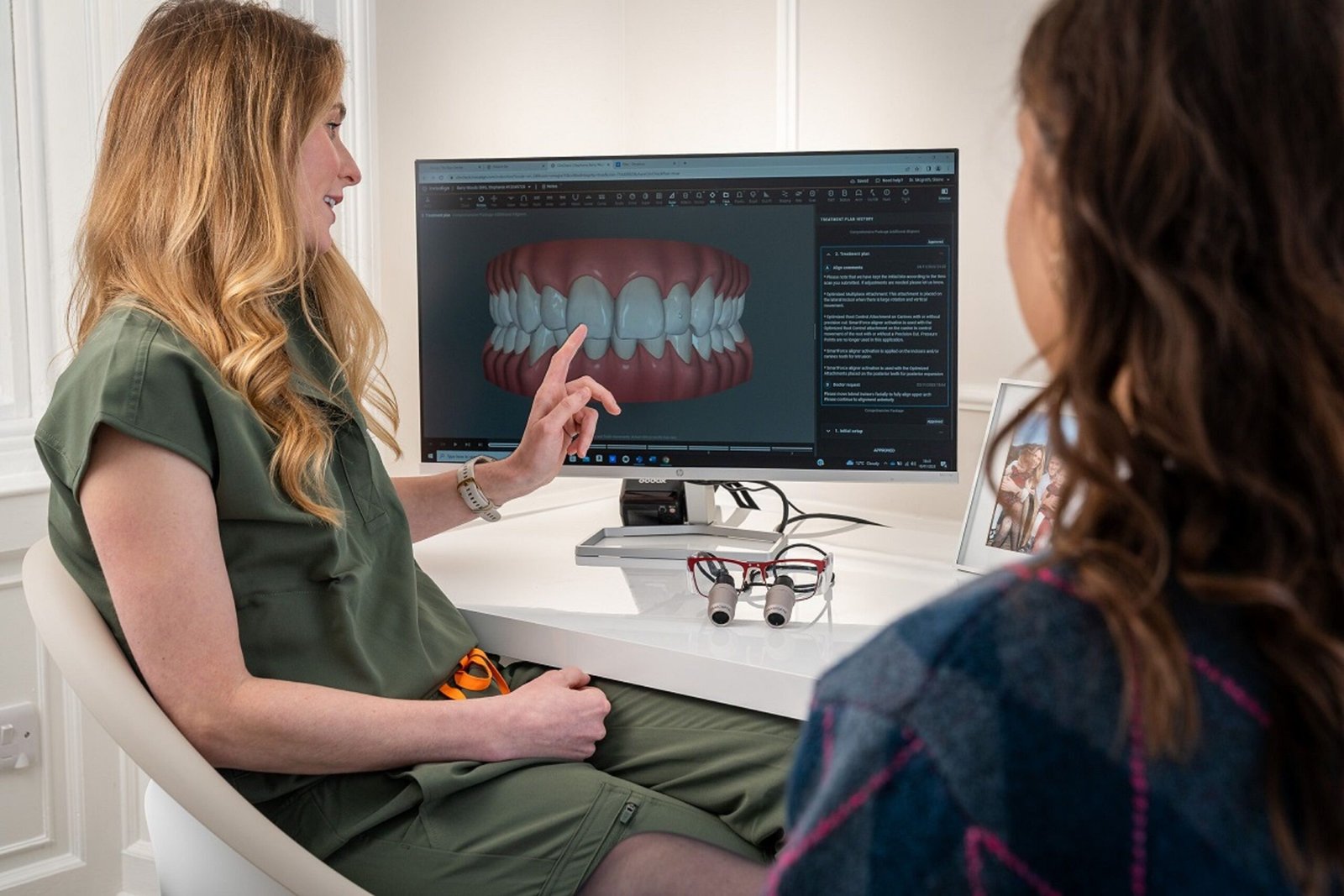
A 2025 registry of 158,824 implants across 53,874 patients found an overall failure rate of 2.21%, with early failure during osseointegration at just 1.56%. That’s real-world data at genuine scale, not a marketing number.
Most guides stop at a single success-rate figure and skip candidacy, implant types, and honest complication data entirely. This guide covers what an implant actually is, how it works, who’s a genuine candidate, and where to go for deeper detail on cost, technology, and full-arch options already covered elsewhere on this site.
Key Takeaways A dental implant is a titanium or zirconia post placed in the jawbone to anchor a replacement tooth, with survival exceeding 95% at 10 years in general meta-analyses and a large 2025 registry of 158,824 implants finding a 2.21% overall failure rate. Age alone doesn’t disqualify anyone, but smoking roughly doubles complication risk and long-term peri-implant mucositis affects an estimated 46% of patients, real numbers, not just a marketing success rate.
What Is a Dental Implant, and What Is It Made Of?
A complete dental implant has three separately fabricated parts: the fixture, a titanium or zirconia post placed into the jawbone, the abutment, a connector piece, and the crown, the visible replacement tooth attached on top. Each component has its own material and brand options that meaningfully affect both cost and outcome.
We’ve covered this structure in real depth elsewhere, including what drives cost at each component and why titanium and zirconia fixtures price differently. For the full component-by-component breakdown, see Single Tooth Implant Cost Breakdown: Fixture, Abutment & Crown Explained.
What Types of Dental Implants Are There?
Endosteal implants, placed directly into the jawbone, are the standard type and what nearly all modern implant dentistry uses, requiring substantial bone density to support them. Subperiosteal implants, a metal framework resting on top of the jawbone rather than inside it, exist as an alternative for patients with insufficient bone who can’t or don’t want bone grafting.
That’s the fixture-type axis. A separate decision is how many teeth need replacing, one tooth, several, or a full arch. Replacing several teeth in a row doesn’t always mean one implant per tooth either, see Single Tooth vs. Multiple Teeth Implants: What’s Different for when a bridge on fewer implants fits better. Full-arch systems like All-on-4 and All-on-6 use multiple endosteal implants to support an entire bridge, a fundamentally different case than a single missing tooth or a small gap. For the full decision guide between single-implant and full-arch approaches, see All-on-4 and All-on-6 Dental Implants in Dubai.
How Does the Implant Procedure Actually Work?
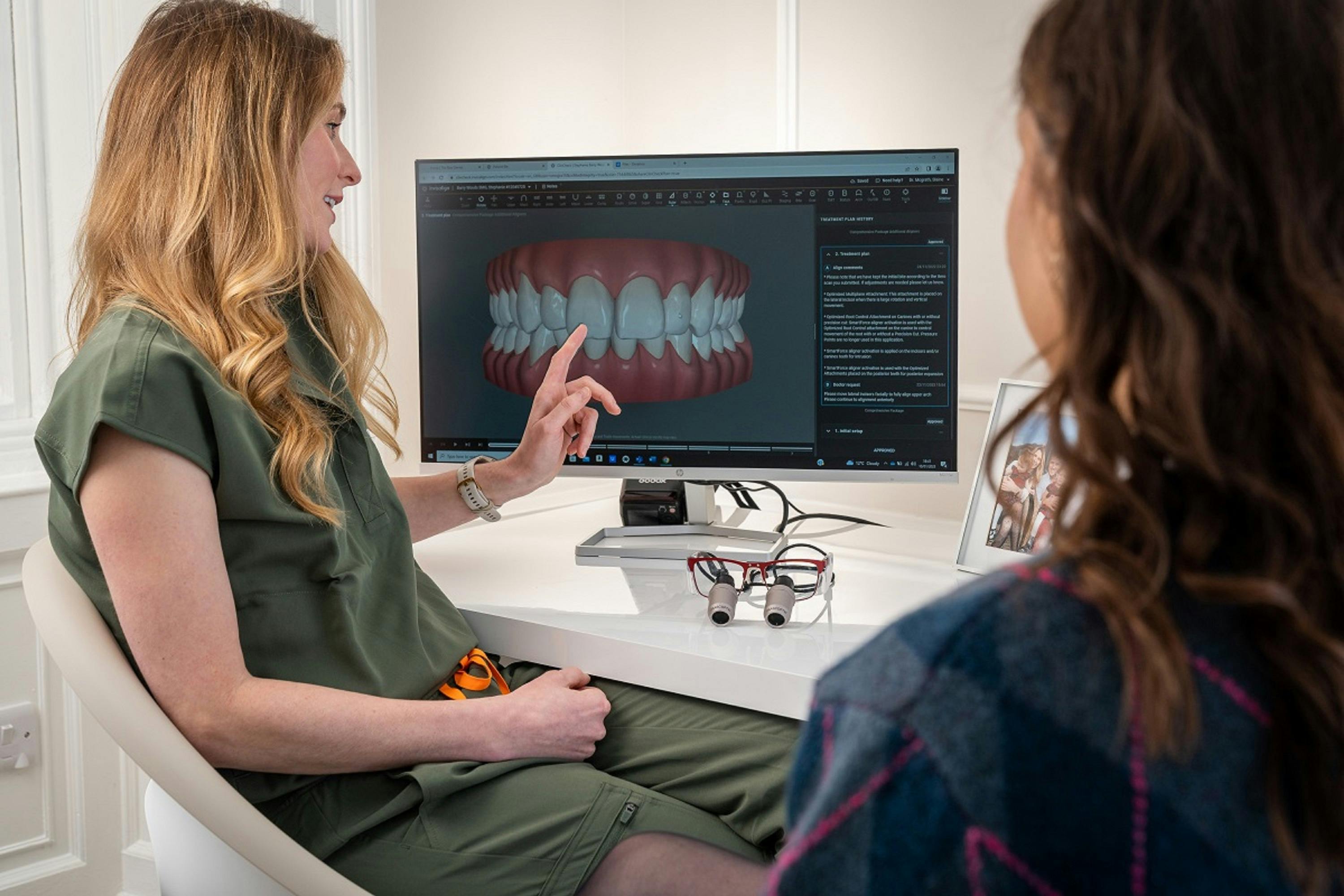
Every case starts with a CBCT scan, a 3D image that measures bone density and maps sinus and nerve position before anything is decided. From there, the fixture is placed surgically, then osseointegration, the biological process of bone fusing to the implant, takes 3 to 4 months in the lower jaw and 6 to 8 months in the upper jaw before a final restoration goes on.
That timeline holds regardless of whether “same-day” marketing is involved. What actually happens same-day is a provisional restoration, not the finished result. We cover the full step-by-step treatment timeline in detail elsewhere, and the scan behind every treatment plan is explained in full here.
Am I a Good Candidate for Dental Implants?
Age alone doesn’t disqualify anyone. Healthy patients in their 70s and 80s routinely receive implants with excellent outcomes, and a 2025 meta-analysis actually found higher 5-year survival in patients over 75 than in the 65-to-75 group. Smoking is a different story: it roughly doubles complication and failure risk, making it the single most significant modifiable risk factor in candidacy.
Diabetes doesn’t automatically disqualify a patient either. Well-managed cases often see excellent outcomes, though healing may take longer, and coordination with a physician on blood sugar control before surgery is standard practice. Osteoporosis and its medications require careful evaluation but aren’t an automatic contraindication in most cases.
Four factors matter more precisely than “smoking is bad” or “diabetes is risky” as vague statements. A separate risk-factor analysis already covered on this site found periodontitis carries an odds ratio of 14.8 for implant failure, smoking 2.59, diabetes 1.78, and bruxism (teeth grinding) 2.19, real numbers rather than general warnings. Gum disease, not smoking, turns out to be the single largest modifiable risk factor once it’s actually measured this way.
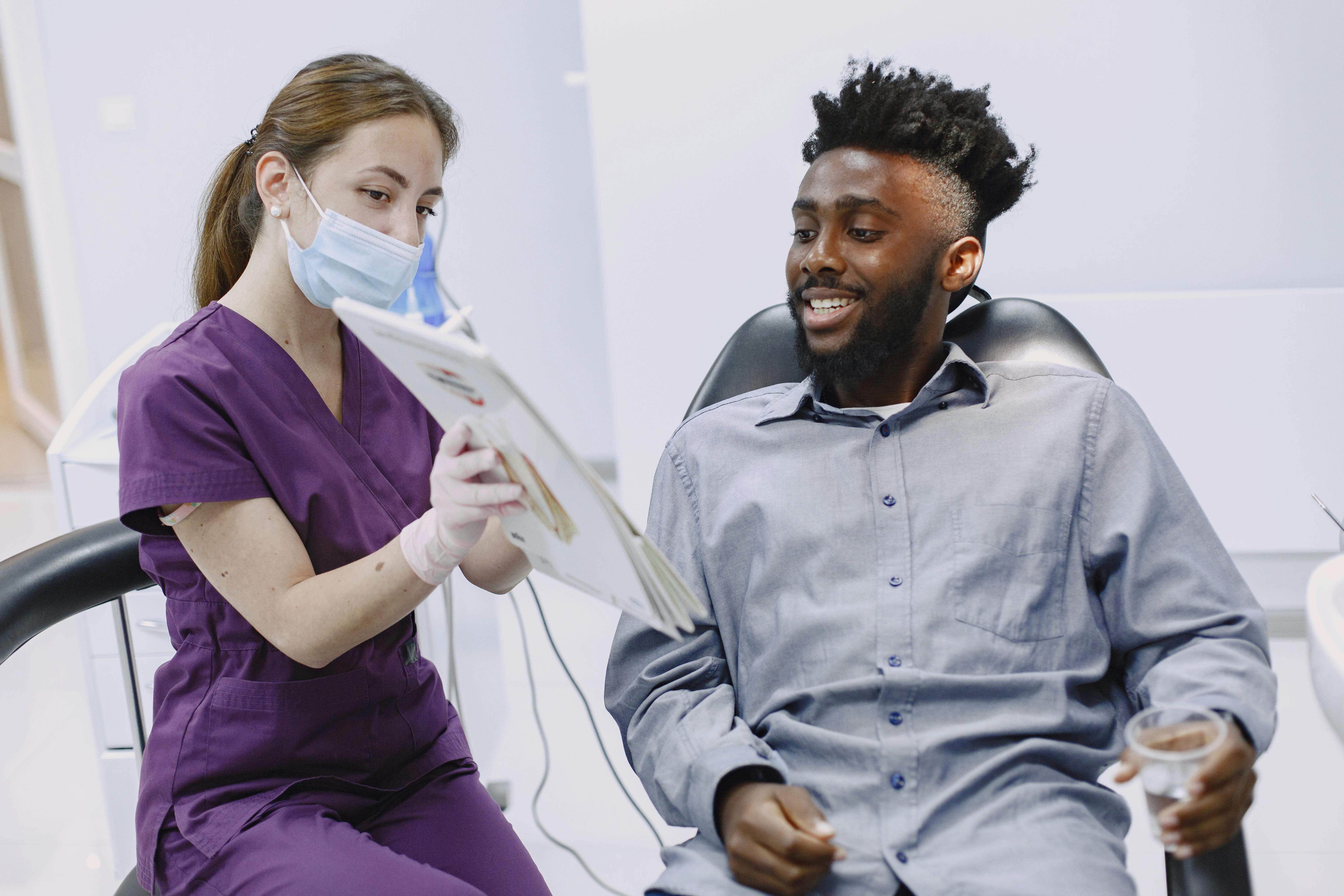
For the full risk-factor data behind those odds ratios, see How Digital Workflows Reduce Implant Failure Risk (With Data).
[CITATION CAPSULE] Age alone is not a contraindication for dental implants; healthy patients in their 70s and 80s routinely achieve excellent outcomes. Smoking, not age, is the significant modifiable risk factor, roughly doubling complication and failure risk (meta-analysis on smoking, radiotherapy, diabetes, and osteoporosis as risk factors for implant failure). Isn’t that worth knowing before self-screening out based on age alone?
For the deeper candidacy breakdown specific to full-arch cases, including exact age-related survival data and osteoporosis medication risk differentials, see Am I a Candidate for All-on-4? What Actually Disqualifies You. For the full general eligibility guide, including absolute versus manageable risk factors, autoimmune disease, radiation history, and blood thinners, see Am I a Good Candidate for Dental Implants? Full Eligibility Guide.
What’s the Real Success Rate, Complications Included?
Implant survival exceeds 95% at 10 years in general meta-analyses, and a large-scale 2025 registry of 158,824 implants across 53,874 patients found an overall failure rate of 2.21%, with early failure during the osseointegration phase at just 1.56%. A separate 20-year meta-analysis found mean survival of 92% in prospective studies and 88% in retrospective studies, a reminder that follow-up length and study design both move the number.
That’s the part most guides leave out. A 2025 systematic review found peri-implant mucositis, inflammation around the implant, at 46% patient-level prevalence, and peri-implantitis, a more advanced form involving bone loss, at 21%, rising to 53% and 22% respectively within 20 years of function. Survival tells you whether the implant stays in place. It doesn’t tell you how much ongoing maintenance that implant is likely to need.
[UNIQUE INSIGHT] A 95%+ survival rate and a 46% mucositis prevalence rate aren’t contradictory, they’re answering different questions entirely. One measures whether the implant fails outright. The other measures the maintenance burden most patients aren’t warned about upfront.
For risk factors specific to digital treatment planning and fabrication, including one honest finding that complicates the “digital is always better” narrative, see How Digital Workflows Reduce Implant Failure Risk (With Data). For what the longest-ever published follow-up study (38-40 years) shows, plus why the crown and the implant run on separate lifespans, see How Long Do Dental Implants Last? Longevity Data and What Affects It.
What Does Recovery Actually Involve?
Swelling typically peaks around day 2 to 3, followed by a soft-diet phase in the early weeks while osseointegration continues quietly in the background for months. Most patients are back to normal activity within days, even though full bone integration takes much longer.
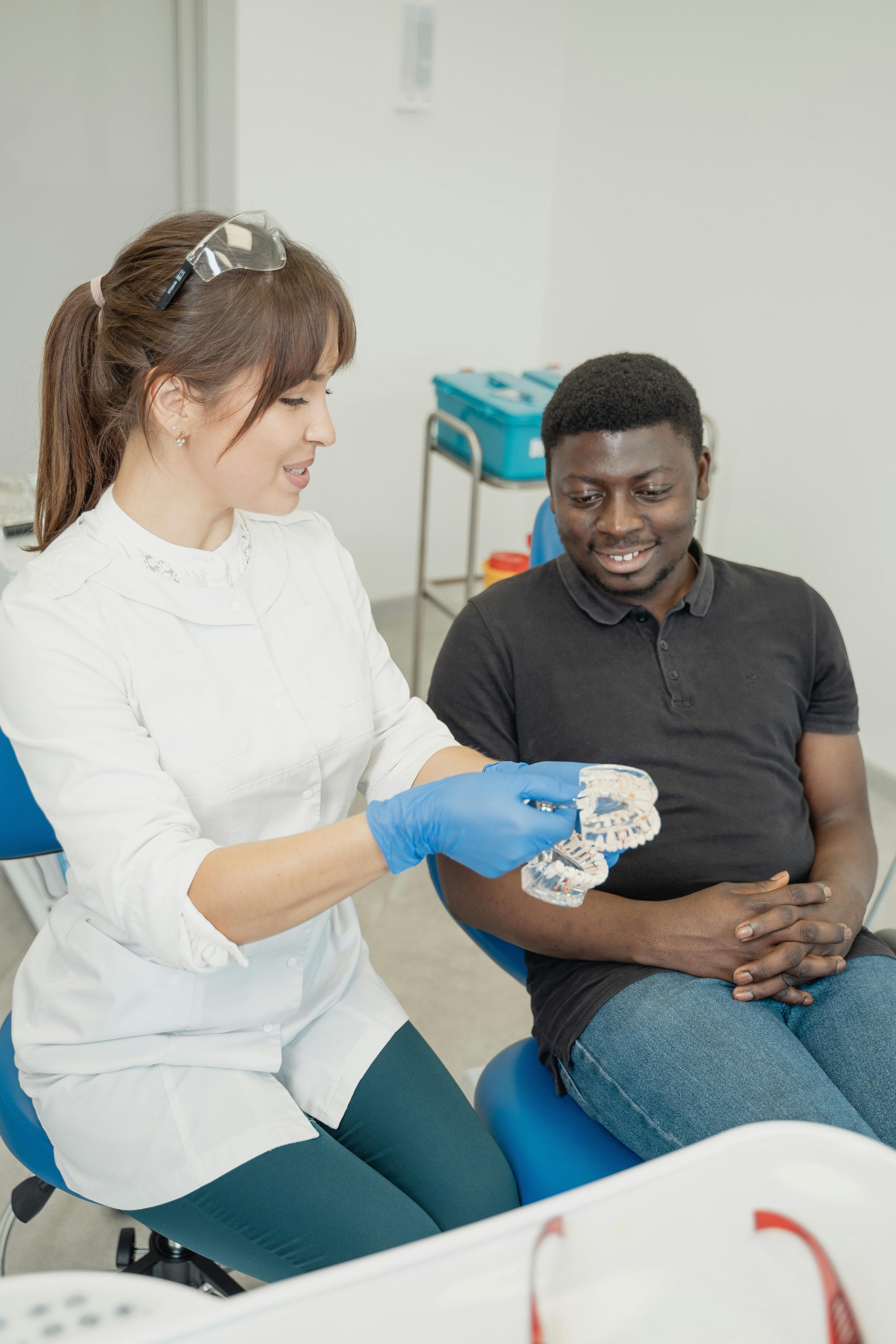
One detail nearly every patient has to learn: a fixed full-arch bridge can’t be cleaned with standard floss. Regular flossing simply can’t reach under a bridge that has no natural gaps between teeth, an interdental brush and a water irrigator do the job instead, and most patients need this shown in person rather than just described. We cover the full week-by-week aftercare routine in detail elsewhere, including the hygiene technique that actually works. For a single implant specifically, including a genuine day-by-day breakdown, a documented early-infection rate, and flying/alcohol/exercise timing, see Dental Implant Recovery Timeline: Day 1 to Full Healing.
What Does It Cost, and What Happens If You Wait?
Single-implant pricing in Dubai typically runs AED 5,000 to 15,000, and full-arch cases run considerably more, figures we’ve broken down in full elsewhere, itemized rather than as a single bundled number. No independent, government-audited pricing dataset exists for Dubai specifically, every published range traces back to clinic marketing, worth knowing before treating any single number as a confirmed average.
What’s less discussed than price itself is that waiting has its own cost. The alveolar ridge loses roughly 50% of its width within 12 months of a tooth going unreplaced, most of that in the first three months alone, and neighboring teeth measurably drift toward the gap in the meantime.
That’s not a hypothetical. It’s a documented, measured timeline that can turn a straightforward case into one needing bone grafting later. The complete Dubai pricing guide is here, and the full bone-loss and tooth-drift timeline is covered here.
[PERSONAL EXPERIENCE] The most common misconception we hear at a first consultation isn’t about cost, it’s “I thought I’d be too old” or “I thought a missing back tooth didn’t really matter.” Neither is true, and both usually change once someone sees their own CBCT scan.
Frequently Asked Questions
What is a dental implant made of?
A titanium or zirconia fixture, an abutment connector, and a crown, three separately priced components fabricated from different possible materials and brands.
What’s the difference between endosteal and subperiosteal implants?
Endosteal implants sit inside the jawbone and are the standard type. Subperiosteal implants rest on top of the jawbone as a metal framework, an alternative when bone volume is insufficient for the standard approach.
Am I too old for dental implants?
No. Age alone isn’t a contraindication, and a 2025 meta-analysis found higher 5-year survival in patients over 75 than in the 65-to-75 group.
Does smoking affect dental implant success?
Yes, significantly. Smoking roughly doubles complication and failure risk, making it the most significant modifiable risk factor in candidacy, more so than age.
What’s the actual dental implant success rate?
Survival exceeds 95% at 10 years in general meta-analyses, and a 2025 registry of 158,824 implants found a 2.21% failure rate. Separately, peri-implant mucositis affects an estimated 46% of patients long-term, a different measure worth knowing alongside survival.
How long does the whole process take?
Typically several months from consultation to final restoration, driven mainly by the osseointegration healing window, 3 to 4 months for the lower jaw and 6 to 8 months for the upper jaw.
Conclusion
Dental implants are a well-documented, high-survival option, but “success rate” alone doesn’t tell the whole story. Candidacy is broader than most people assume, age rarely disqualifies anyone while smoking meaningfully changes the odds, and the type of implant and number of teeth involved both shape what a specific case actually looks like.
A CBCT-based consultation is the only way to know which type and approach fits your case. Explore the rest of this site for deeper detail on any of these topics.
Continue Learning
Digital Technology:
Full-Arch Restoration:
Cost & Dental Tourism:
Why Timing Matters:
Comparing Your Options:
- Dental Implants vs. Bridges vs. Dentures: Full Comparison
- Single Tooth vs. Multiple Teeth Implants: What’s Different
Eligibility:
- Am I a Good Candidate for Dental Implants? Full Eligibility Guide
- Dental Implants and Diabetes/Smoking: Risk Factors Explained
Longevity:
Recovery:
Choosing a Provider:
- How to Choose an Implant Dentist in Dubai: A Patient Checklist
- 7 Questions to Ask If Your Dentist Claims “Digital” Implants
Sources
- Aggregated osseointegration survival meta-analyses (general 10-year survival), retrieved 2026-07-11, 2025/2026 (Tier 2-3)
- How Far Can We Go? A 20-Year Meta-Analysis of Dental Implant Survival Rates, Clinical Oral Investigations, retrieved 2026-07-11, 2024
- Large-scale electronic dental registry study (158,824 implants, 53,874 patients), PMC, retrieved 2026-07-11, 2025
- 2025 systematic review and meta-analysis on peri-implant mucositis and peri-implantitis prevalence, retrieved 2026-07-11, 2025
- Smoking, Radiotherapy, Diabetes and Osteoporosis as Risk Factors for Dental Implant Failure: A Meta-Analysis, PMC, retrieved 2026-07-11
- PMC, 5-Year Retrospective Study on Age and Implant Survival, Clinical Oral Implants Research, retrieved 2026-07-11, 2025 (already cited in full in the All-on-4 candidacy spoke)
- Aggregated implant-type comparison guidance (endosteal vs. subperiosteal), retrieved 2026-07-11, 2025/2026 (Tier 4, structural facts not in dispute)