
A dental implant isn’t one priced item. It’s three separately priced components, the fixture, the abutment, and the crown, and each has its own brand and material tiers. Most published price lists never show the split, which is exactly why two quotes with the same total can represent very different builds.
This guide breaks down what drives fixture cost, why titanium and zirconia price differently, what an abutment actually costs, which crown material costs the most, and how to read an itemized quote component by component.
Key Takeaways A complete dental implant has three separately priced components, the fixture, abutment, and crown, and each has its own brand and material tiers that drive most of the price variation between quotes. Premium fixture brands like Straumann and Nobel Biocare typically run $400-800 versus $100-300 for value brands, a difference in surface technology and documentation, not just markup.
What Are the Three Components of a Dental Implant, and Why Does It Matter?
A complete implant consists of the fixture, the titanium or zirconia screw placed into the jawbone, the abutment, the connector piece, and the crown, the visible tooth on top. Each is fabricated and priced separately, and understanding this structure is the single most useful thing to know before requesting a quote.
For the full single-implant price range in Dubai, covering the AED total, VAT treatment, and insurance, see Dental Implant Cost in Dubai: 2026 Pricing Guide for Residents & Visitors. This piece exists to answer a different question: not “what’s the total,” but “what’s actually in it.”
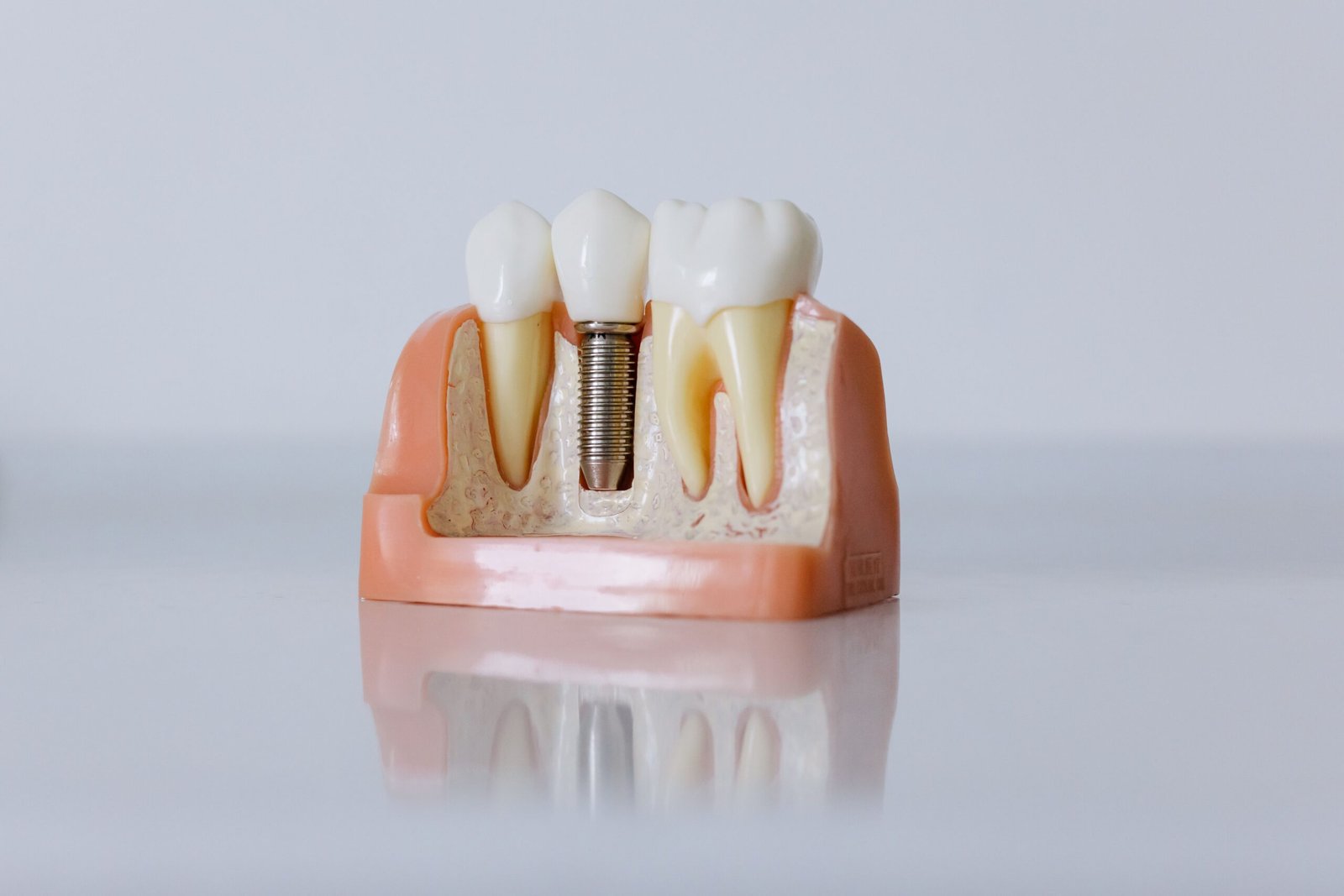
Isn’t it strange that so much cost content quotes one number for “the implant” when it’s really three separate purchases bundled together? That framing is exactly what makes two identical-looking totals so hard to compare.
What Drives Fixture Cost, and Why Do Brands Vary So Much?
Premium fixture brands like Straumann and Nobel Biocare typically run $400 to 800 per unit, mid-tier brands like Zimmer Biomet or BioHorizons run $250 to 500, and value brands like Osstem or MIS run $100 to 300, a gap driven mainly by surface technology, clinical documentation depth, and prosthetic component library breadth, not marketing alone.
“Surface technology” isn’t a marketing word for nothing, though it’s often used as one. It refers to real engineering: how an implant’s surface is textured at a microscopic level to influence how quickly bone cells attach to it, a factor tied to some brands’ faster-healing claims. Value brands aren’t automatically lower quality, they’re typically less extensively documented in long-term studies and offer a narrower range of prosthetic parts to match them, not necessarily a weaker fixture.
[CITATION CAPSULE] Premium implant fixture brands like Straumann and Nobel Biocare typically cost $400 to 800 per unit versus $100 to 300 for value brands like Osstem or MIS (aggregated dental-lab cost analyses, 2025/2026). The gap reflects surface technology and clinical documentation depth, not simply a pricing markup on an otherwise identical part.
Titanium or Zirconia: Does the Fixture Material Change the Price?
Titanium fixtures typically cost 15 to 30% less than zirconia alternatives, a gap driven mainly by more complex zirconia manufacturing rather than a simple premium markup. Zirconia’s production process is genuinely more involved, which shows up directly in the fixture price.
That doesn’t make zirconia the wrong choice. Some patients prefer a metal-free implant, and zirconia can help avoid a gray shadow showing through thin gum tissue in highly visible front-tooth cases. This is a case-specific clinical decision between you and your dentist, not something to default toward based on cost alone in either direction.
[UNIQUE INSIGHT] The titanium-versus-zirconia cost gap is rarely explained as a manufacturing story rather than a “premium material” story. Once you know it’s largely about production complexity, a like-for-like brand comparison makes a lot more sense than assuming zirconia is simply the upgraded option.
Worth being direct here: every figure in this section is aggregated from dental-lab and clinic-marketing sources, not a peer-reviewed or independently audited cost study, and none of it is Dubai-specific pricing.
What Does an Abutment Actually Cost, and What’s the Difference Between Stock and Custom?
Stock abutments are prefabricated and the lowest-cost option, while custom titanium abutment lab fees typically run $95 to 245 and custom zirconia abutment lab fees run $185 to 325, with patient-facing fees usually landing $450 to 1,100 depending on type and market.
A custom abutment is generally worth the extra cost when the case involves a thin gum biotype, a non-ideal implant angle, or a highly visible front-tooth position where the emergence profile needs precise shaping. A stock abutment is often perfectly appropriate for a well-positioned back-tooth implant, where cost and speed matter more than millimeter-level customization.
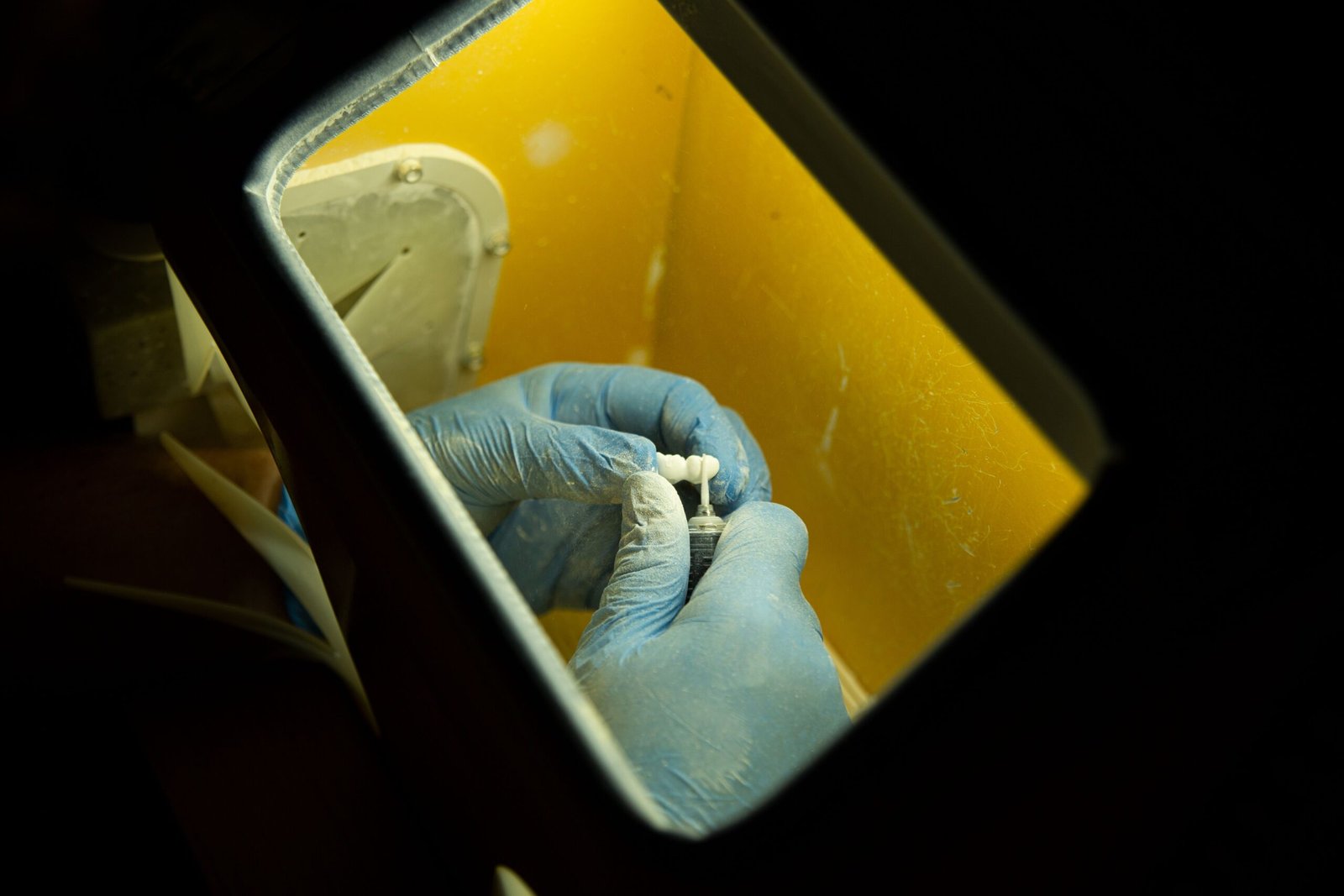
For the digital workflow behind fabricating custom components like these, including how in-house milling changes turnaround time, see In-House 3D Printing: Why It Speeds Up Implant Treatment.
Which Crown Material Costs the Most, and Which Is Actually Best?
PFM (porcelain-fused-to-metal) crowns are typically the least expensive tooth-colored option at $900 to 1,500, zirconia crowns sit mid-to-upper range at $1,000 to 2,000, and e.max (lithium disilicate) crowns often cost the most for front-tooth cases, $1,200 to 2,500, due to lab precision and cosmetic detailing. “Best” depends on where the tooth sits, not price alone.
Layered zirconia is generally the strongest option, e.max tends to look the most natural for a front tooth, and PFM is the cheapest but can eventually show a dark line at the gumline as gums recede. None of these is universally “better,” they trade off strength, esthetics, and cost differently.
[CITATION CAPSULE] PFM crowns typically cost $900 to 1,500, zirconia $1,000 to 2,000, and e.max $1,200 to 2,500 in aggregated US patient-facing cost guides (2025/2026). Layered zirconia is generally strongest, e.max is generally most natural-looking, and PFM is cheapest but can show a dark gumline over time.
How Should You Actually Read an Itemized Implant Quote?
A complete, honest quote should name the fixture brand, the abutment type and material, and the crown material as three separate line items, not one bundled total, the same standard already established for full-arch quotes elsewhere on this site. If a quote only shows one number, that’s a question, not a red flag on its own.
For the equivalent standard applied to full-arch cases, including why brand-specific cost claims circulating online are largely unverified marketing, see All-on-4 Cost in Dubai: What’s Actually in the Price. For the specific advertising patterns that hide these components behind a low headline price, and a checklist to catch them, see Hidden Costs in “Cheap” Dental Implant Packages.
[PERSONAL EXPERIENCE] When we walk a patient through a quote, we name the fixture brand, the abutment type, and the crown material out loud as three separate decisions, not one bundled number. That’s the standard we’d want applied to any quote, from any clinic, anywhere.
[ORIGINAL DATA] We’re working toward publishing our own itemized, per-component price list showing exactly which brand and material tier applies at each price point, rather than the single bundled totals common across Dubai clinic marketing sites.
Frequently Asked Questions
What’s the difference between an implant fixture, abutment, and crown?
The fixture is the screw placed into the jawbone, the abutment is the connector piece, and the crown is the visible tooth attached on top. Each is fabricated and priced as a separate component.
Is zirconia or titanium more expensive for a dental implant?
Zirconia fixtures typically cost 15 to 30% more than titanium equivalents, a gap driven mainly by more complex manufacturing rather than a simple premium markup.
Do I need a custom abutment or is stock fine?
It depends on the case. Custom abutments generally make more sense for thin gum tissue, a non-ideal implant angle, or a highly visible front-tooth position, while stock abutments often work well for a well-positioned back-tooth implant.
Which crown material is best for a front-tooth implant?
E.max is generally chosen for its natural appearance, zirconia for strength, and PFM for lower cost, though it can eventually show a dark line at the gumline. The right choice depends on the tooth’s visibility and your priorities.
Conclusion
The total on a dental implant quote is really three separate prices bundled together, the fixture, the abutment, and the crown, each with its own brand and material tier. Knowing the tier of each component is more useful than comparing two totals side by side, since identical numbers can hide very different builds.
Ask for a component-by-component breakdown before comparing any two quotes. For the complete single-implant pricing picture, including VAT treatment and UAE insurance coverage, see Dental Implant Cost in Dubai: 2026 Pricing Guide for Residents & Visitors.
Sources
- Aggregated dental-lab and clinic-marketing cost analyses (fixture brand tiers), retrieved 2026-07-11, 2025/2026 (Tier 4-5, directional only, not independently verified)
- Aggregated implant material cost-comparison sources (titanium vs. zirconia fixture), retrieved 2026-07-11, 2025 (Tier 4-5, directional only)
- Dental lab pricing guides (abutment lab fees, patient-facing fees), retrieved 2026-07-11, 2026 (Tier 4-5, directional only)
- Aggregated dental crown cost guides (PFM/zirconia/e.max, US patient-facing ranges), retrieved 2026-07-11, 2026 (Tier 4-5, directional only)
- RealDentalCosts.com, Dental Implant Cost Breakdown (ADA HPI-Derived), retrieved 2026-07-11 (cross-referenced illustrative fixture/crown/abutment split, already cited in full in the All-on-4 cost spoke)