Ads for $399 to 999 dental implants usually mean the fixture alone, the titanium screw, not a complete implant. A finished case with abutment and crown typically runs $3,000 to 6,000. That gap isn’t random variation. It follows specific, checkable patterns.
This guide breaks down what commonly gets left off a headline price, why regulators are now treating this as a documented market issue rather than an isolated complaint, and a five-question checklist to run before booking anywhere.
Key Takeaways Advertised prices like $399-999 for a dental implant commonly cover only the surgical fixture, while a complete implant with abutment and crown typically runs $3,000-6,000. Commonly excluded extras include sedation beyond local anesthesia ($150-1,200), bone grafting ($500-3,500), extractions ($150-500), and CBCT imaging ($300-600). The UK’s Competition and Markets Authority launched a formal 2026 market study into private dentistry specifically citing hidden-fee and misleading-advertising practices.
What Does the “Per Implant” Price Usually Not Include?
“Per implant” pricing commonly refers to the surgical fixture alone, the titanium or zirconia screw placed into the jawbone, excluding the abutment and crown that actually make it a functioning tooth. A widely-advertised $399 to 999 price point sits against a genuine complete-case range of $3,000 to 6,000, once every component is priced in.
This isn’t new information about component pricing itself, we’ve covered that in detail elsewhere. What matters here is recognizing it as a specific advertising pattern to watch for. For the full component-by-component cost breakdown, see Single Tooth Implant Cost Breakdown: Fixture, Abutment & Crown Explained.
What Extra Procedures Commonly Get Left Off the Headline Price?
Sedation beyond local anesthesia commonly adds $150 to 1,200, bone grafting adds $500 to 3,500 depending on graft type, tooth extraction adds $150 to 500, and CBCT imaging adds $300 to 600, none of which typically appears in a “starting from” advertisement.

[CITATION CAPSULE] Bone grafting alone can add $500 to 3,500 to an implant case depending on graft type, while sedation beyond local anesthesia adds $150 to 1,200 (aggregated dental cost breakdown guides, 2025/2026). Neither typically shows up in a headline advertised price, since whether they’re needed depends on individual bone volume and patient preference, not the base procedure itself.
Is This a Documented Industry Problem, or Just Bad Luck?
The UK’s Competition and Markets Authority launched a formal market study into private dentistry on 5 March 2026, examining a sector valued at £8.4 billion and accounting for 69% of total UK dental provision (GOV.UK, Private Dental Services Market Study, 2026). The study explicitly examines treatment pricing, business tactics, and whether price increases are transparent and justified.
That’s a regulator treating this as a market-wide pattern worth formal investigation, not one clinic’s isolated bad behavior. A separate signal points the same direction: one dental tourism booking platform removed eight clinics from its listings for price bait-and-switch, fake reviews, and malpractice complaints, evidence the pattern shows up on the marketplace side too, not just in individual patient complaints.
[UNIQUE INSIGHT] A formal government competition authority investigating hidden dental fees as a market-wide concern is a genuinely different order of evidence than “some clinics do this.” It’s worth knowing this exists the next time a headline price feels too good to be true, since your instinct may be better calibrated than you think.
For the documented risk profile in a related overseas-package context, see Dental Implants Dubai vs. Turkey: Honest Cost and Quality Comparison.
What Should a Genuinely Complete Quote Actually Include?
A complete quote should itemize the fixture brand, abutment type and material, crown material, sedation or anesthesia, imaging, and any grafting as separate line items, not one bundled number, the same standard already established for full-arch quotes on this site, applied here explicitly to single-implant advertising.
Isn’t a quote you can’t break into its parts really just a number with no way to verify what it covers? We cover the full itemized-quote standard in more depth elsewhere, including what to ask for in writing before committing to any clinic.
A Checklist: What to Verify Before You Book
Five direct questions, asked in writing before booking, catch the overwhelming majority of headline-price gaps between an advertised number and what you’ll actually pay.
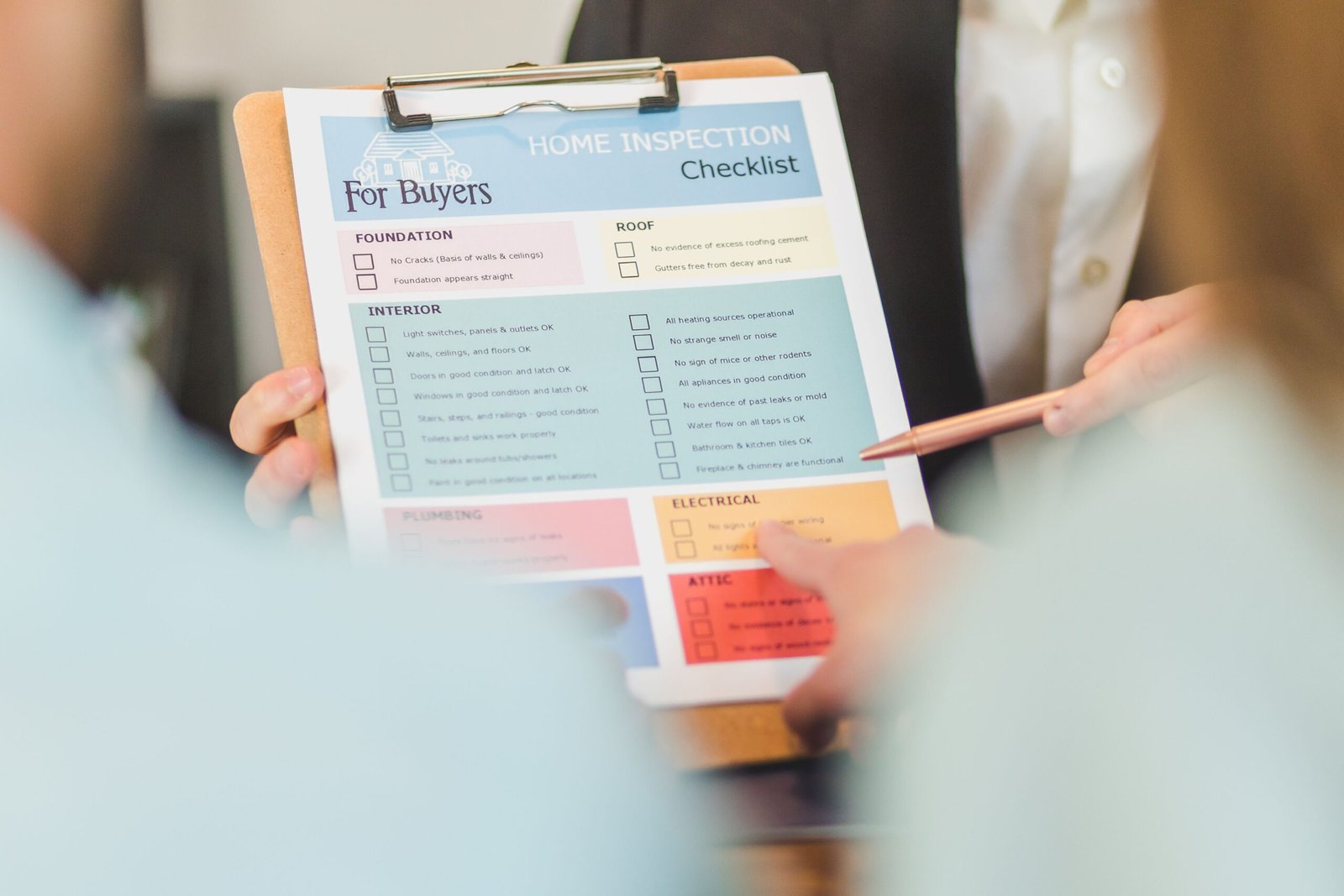
[PERSONAL EXPERIENCE] We structure every quote around exactly these five items from the first conversation, not because patients ask for it, but because it avoids the exact gap between headline and final price this whole pattern is built on. That’s not a claim about any specific competitor, it’s the standard we’d want applied anywhere.
[ORIGINAL DATA] We’re tracking, in general terms, how often patients arrive with a quote from elsewhere that turned out to be missing major components. We’re not ready to publish a specific number yet, but it’s worth documenting properly rather than guessing.
Frequently Asked Questions
Why did my dental implant quote go up after the consultation?
Most often because the advertised number covered only the fixture, or excluded case-dependent extras like grafting, sedation, or imaging that only become clear once your specific case is assessed, not necessarily bad faith on the clinic’s part.
What should be included in a complete dental implant price?
The fixture, abutment, and crown at minimum, itemized separately, plus clarity on whether sedation, imaging, and any grafting are included or billed separately.
Are cheap dental implant deals a scam?
Not necessarily, but the advertised number is often deliberately partial. The UK’s CMA launched a formal 2026 market study into private dentistry citing hidden-fee and misleading-advertising practices as a genuine, documented concern.
How do I know if a dental implant quote is complete?
Run it through the five-question checklist: does it include the abutment and crown, what sedation is covered, is grafting assumed or excluded, is imaging included, and what’s the total if any case-dependent extras apply.
Is this hidden-cost pattern common, or rare?
Common enough that a national competition regulator opened a formal investigation into it in 2026, and a dental tourism platform has removed clinics from its own listings for the same pattern.
Conclusion
The gap between an advertised dental implant price and what you actually pay usually follows specific, checkable patterns, fixture-only pricing, excluded sedation, ungraded bone grafting, missing imaging, not random bad luck. A formal regulatory investigation now confirms this is a documented, market-wide issue worth verifying against, wherever you’re considering treatment.
Request every item on the checklist in writing before booking, anywhere. For the complete Dubai pricing picture this fits into, see Dental Implant Cost in Dubai: 2026 Pricing Guide for Residents & Visitors.
Sources
- Aggregated dental cost guides and industry marketing-pattern reporting (per-implant pricing pattern), retrieved 2026-07-11, 2025/2026 (Tier 4, directional only)
- Aggregated dental cost breakdown guides (sedation, grafting, extraction, imaging cost ranges), retrieved 2026-07-11, 2025/2026 (Tier 4, directional only)
- GOV.UK, Private Dental Services Market Study, Competition and Markets Authority, retrieved 2026-07-11, launched 5 March 2026
- Secondary reporting on dental tourism platform vetting practices, retrieved 2026-07-11, 2025/2026 (Tier 3-4)