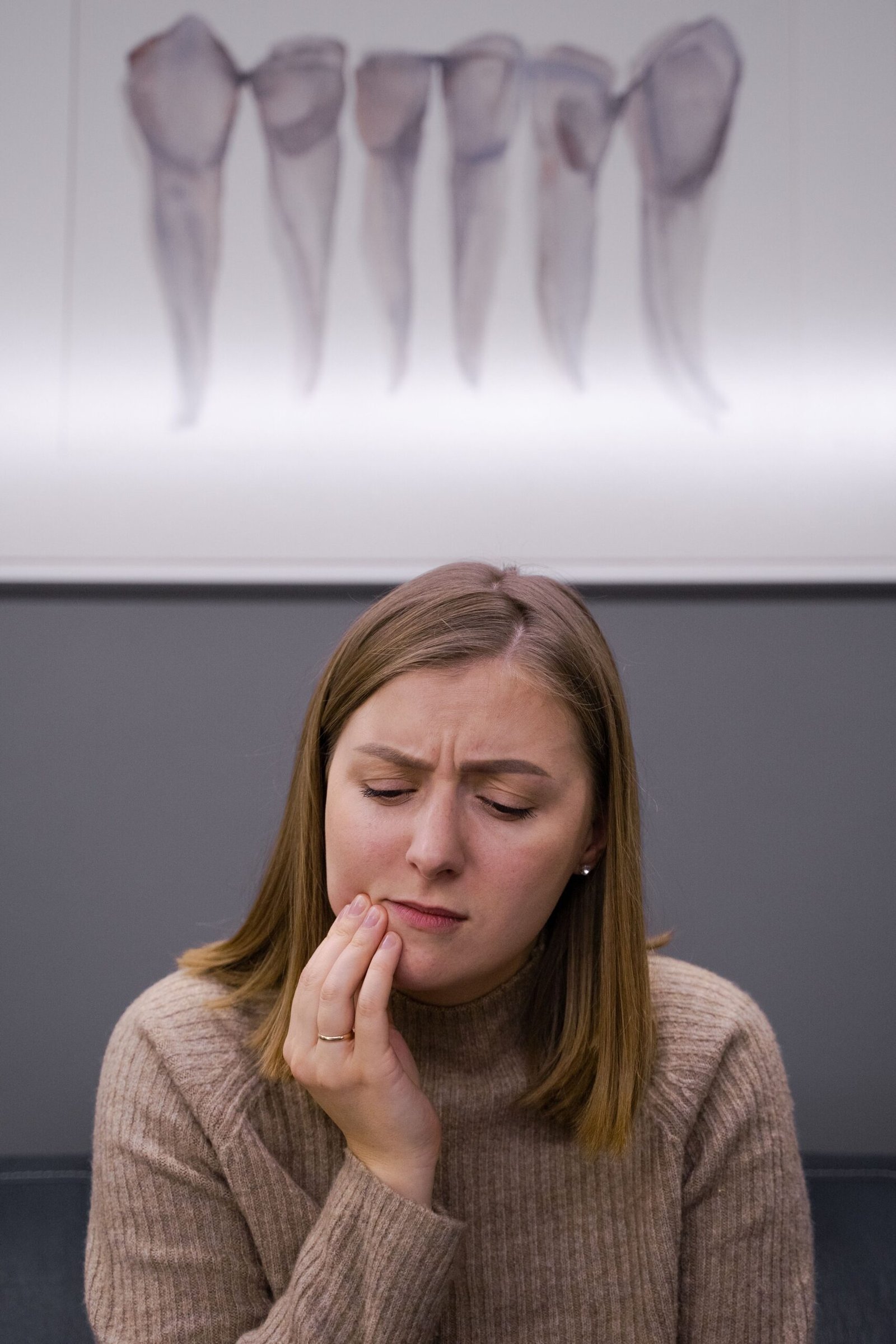
In a 2021 randomized trial of 130 volunteers, every participant got a desensitizing gel before treatment, and still about half reported some tooth sensitivity during the first week (Donassollo et al., Journal of Applied Oral Science, 2021). Whitening is one of the most common cosmetic dental treatments, and sensitivity is its most common side effect. That’s worth knowing before you book, not after.
The honest answer to “is it safe?” is that professional whitening is widely used and its main downside is temporary sensitivity, but a few situations call for waiting or for fixing something else first. This guide covers how common sensitivity really is, what the evidence says about enamel, whether light makes it worse, and who should hold off.
Key Takeaways Sensitivity is common with both in-office and at-home whitening: about 37% of in-office patients reported it on day one in a 130-patient trial, and roughly half of both groups in week one. A 2026 meta-analysis found only a small, outlier-sensitive drop in enamel microhardness, from in vitro studies only. Untreated decay and gum inflammation should be treated first, and pregnancy is usually a reason to wait as a precaution.
How Common Is Whitening Sensitivity, and How Long Does It Last?
Common, and short-lived for most people. In the 2021 trial, 37% of the in-office group reported sensitivity on the first day, against 15% of the at-home tray group. By the end of week one, roughly half of both groups reported some sensitivity (48% in-office, 52% at-home), and about 42 to 48% still did in week two while treatment continued. A week after treatment ended, only 5 to 8% did (Donassollo et al., Journal of Applied Oral Science, 2021).
A pooled analysis points the same way. A 2025 meta-analysis of 23 studies found the risk of developing sensitivity didn’t differ between in-office and at-home bleaching (relative risk 0.82, 95% CI 0.61 to 1.10), though the intensity of sensitivity was lower with at-home bleaching (de Geus et al., Operative Dentistry, 2025). The authors rated the certainty of that evidence as low, so treat the intensity finding as a leaning, not a verdict.
[CITATION CAPSULE] A 2025 meta-analysis of 23 studies found no significant difference in the risk of tooth sensitivity between in-office and at-home bleaching, but lower sensitivity intensity with at-home trays, a finding the authors rated as low-certainty evidence (de Geus et al., Operative Dentistry, 2025). Sensitivity is a likely side effect of either route, not a rare complication.
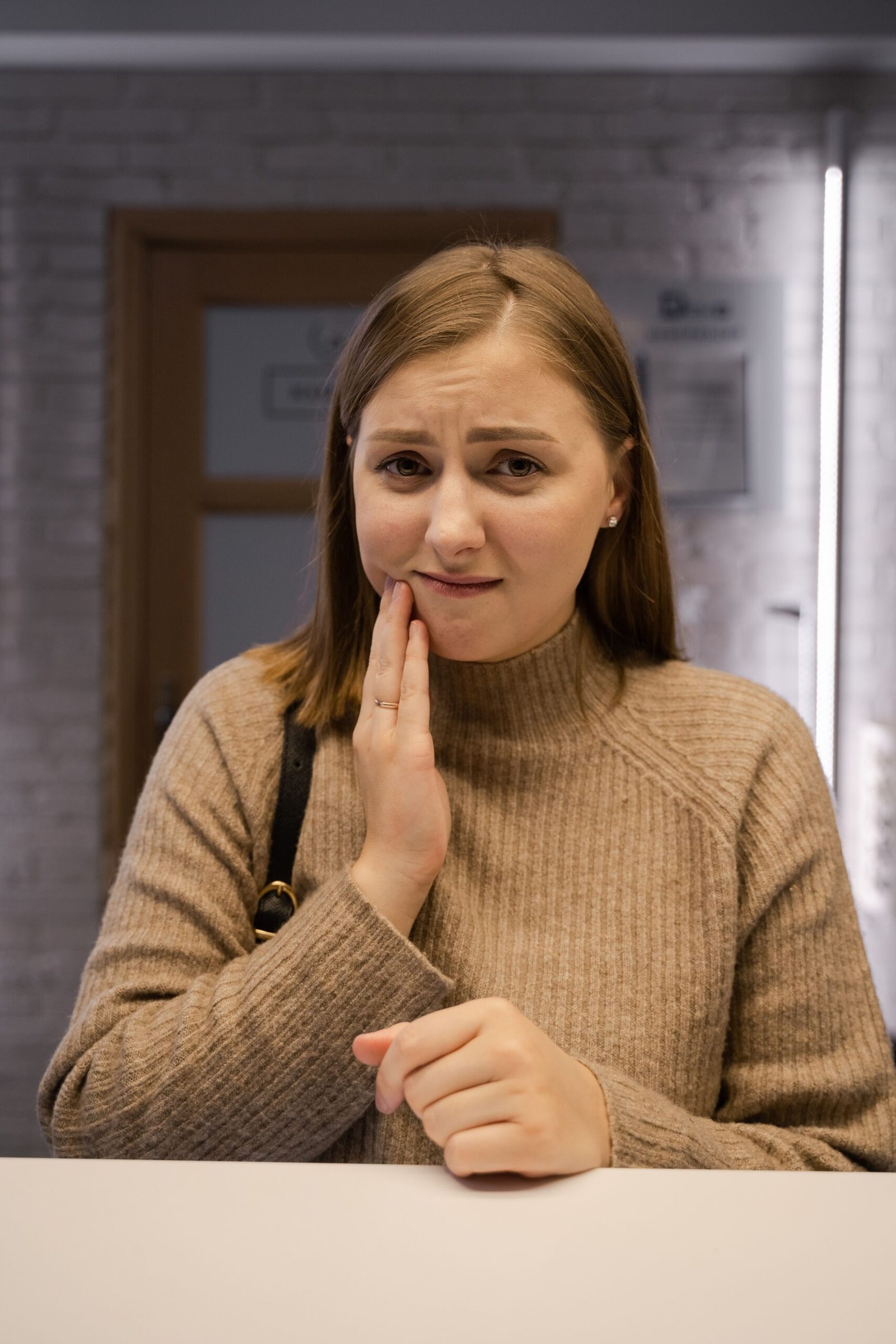
[PERSONAL EXPERIENCE] Patients tend to hear “sensitivity” and picture something brief and mild, then are surprised by a sharp twinge from cold water on day two. Setting that expectation at the consultation, along with the plan for it, does more for how patients experience whitening than any product choice.
Does Whitening Damage Enamel?
Laboratory studies detect a small effect, and clinical studies haven’t shown meaningful harm. A 2026 systematic review and meta-analysis in the Journal of Dentistry identified 81 eligible studies and pooled 9 for the quantitative analysis. Peroxide bleaching produced a small reduction in enamel microhardness (ratio of means 0.89, 95% CI 0.84 to 0.94), which the authors describe as statistically detectable but small, and sensitive to outlier studies (Márton et al., Journal of Dentistry, 2026).
Read that carefully, because it cuts both ways. A ratio of 0.89 is roughly an 11% lower microhardness in the lab, close to the authors’ own 10% threshold, so “no effect” would be the wrong summary. But every pooled study was in vitro, meaning extracted or prepared teeth rather than living mouths with saliva that remineralizes enamel. The authors concluded that peroxide bleaching is unlikely to cause clinically meaningful harm when used according to recommended protocols, and that current evidence doesn’t strongly support strict limits on peroxide concentration.
[UNIQUE INSIGHT] “Safe” and “no measurable effect” aren’t the same claim, and whitening content often blurs them. The defensible position is narrower and more useful: lab tests show a small softening, saliva and fluoride are expected to offset much of it in real use, and nobody has yet measured the long-term clinical effect directly. That’s a reason to follow protocols and avoid repeated, unsupervised high-strength use, not a reason to avoid whitening altogether.
Does Light or Laser Make Whitening Riskier?
It doesn’t make it work better, and it may add sensitivity. A 2012 meta-analysis of 11 studies found light activation raised the odds of tooth sensitivity during in-office bleaching (odds ratio 3.53, 95% CI 1.37 to 9.10) without improving the bleaching effect when 25 to 35% hydrogen peroxide was used (He et al., Journal of Dentistry, 2012). A 2026 umbrella review of 10 systematic reviews found laser or light activation didn’t improve final whitening and didn’t reduce post-bleaching sensitivity (Allende et al., Journal of Esthetic and Restorative Dentistry, 2026).
The detail on what the light does and doesn’t add gets its own guide. For safety purposes the takeaway is simpler: a light is an optional add-on with no demonstrated whitening benefit, and the evidence leans toward it making sensitivity no better and possibly worse.
Who Should Wait, and Who Should Skip Whitening?
Four situations come up regularly, and they call for different responses.
Treat first. Untreated decay and active gum inflammation should be dealt with before bleaching, since peroxide can irritate exposed or inflamed tissue and a cavity will keep causing symptoms regardless of shade. This is standard clinical sequencing rather than a single trial finding, and no primary guideline was located for it, so it’s stated here as clinical consensus. Gum health decisions follow the same logic described in Can You Get Veneers With Gum Disease?.
Usually deferred. Most dentists postpone elective whitening during pregnancy and breastfeeding, and it helps to be exact about why. MotherToBaby, a pregnancy and breastfeeding information service, notes that hydrogen peroxide breaks down into water and oxygen on contact with teeth and isn’t expected to pose a significant risk when used as directed, while also noting that many whitening products contain ingredients that are not well studied in pregnancy or lactation (MotherToBaby, Whitening Teeth during Pregnancy or Breastfeeding, 2023). Postponing is a low-cost precaution, not a response to demonstrated harm.
Won’t change color. Veneers, crowns, and composite fillings don’t respond to whitening gel, which is why whitening happens before veneers and why visible restorations sometimes need replacing afterward.
Smaller or shorter-lived results. Color stability after home bleaching is typically about 1 to 2.5 years, but severe intrinsic discoloration such as tetracycline staining shows a higher degree of recurrence, and one study retained only 66 to 68% of the bleaching effect (Fioresta et al., Clinical Oral Investigations, 2023). Expectations, not safety, are the issue there.
How Can You Reduce Sensitivity?
Three levers have evidence behind them. First, concentration: a 2026 umbrella review of 24 systematic reviews found that low-to-medium peroxide concentrations (about 25 to 35%) produced whitening comparable to higher concentrations, with moderate certainty, while higher concentrations were consistently linked to more sensitivity with no extra whitening (Hajeer and Hasan, Saudi Dental Journal, 2026). Stronger isn’t better.
Second, the route: at-home trays showed lower sensitivity intensity in the 2025 meta-analysis, which is one reason to consider them if sensitivity is a worry. Third, add-ons: the 2026 umbrella review of laser and light found that photobiomodulation, a separate low-level laser approach, reduced sensitivity in placebo-controlled trials without reducing whitening (Allende et al., Journal of Esthetic and Restorative Dentistry, 2026). That’s different from the activation lights sold to speed whitening.
Isn’t it striking that the single most effective sensitivity lever, using a lower concentration, is also the cheapest? Ask which concentration is being used, and why.
[ORIGINAL DATA] We’re evaluating recording, in general terms, which whitening protocol patients in this practice tolerate best and how often a desensitizing step is needed, without publishing a figure until that’s properly documented across a larger patient base.
Frequently Asked Questions
Is professional teeth whitening safe?
For most healthy adults with sound teeth and gums, yes. The main downside is temporary sensitivity, reported by roughly half of participants in a 130-person trial, which mostly fades within about a week of finishing treatment.
Does teeth whitening damage enamel?
A 2026 meta-analysis found a small, statistically detectable drop in enamel microhardness in lab studies, with no clear evidence of clinically meaningful harm when protocols are followed. The evidence is in vitro only, so long-term clinical effects haven’t been directly measured.
Is in-office whitening more likely to cause sensitivity than trays?
The overall risk is similar, but day-one sensitivity was higher in-office in one trial (37% vs 15%), and a 2025 meta-analysis found lower sensitivity intensity with at-home trays, rated low-certainty evidence.
Can I whiten my teeth while pregnant or breastfeeding?
Most dentists advise waiting as a precaution. Peroxide itself is considered low-risk when used as directed, but other whitening ingredients aren’t well studied in pregnancy or lactation, and waiting costs little.
Who should not whiten their teeth?
Anyone with untreated decay or active gum inflammation should treat those first. People with veneers, crowns, or fillings in visible areas should plan around them, since restorations won’t change shade.
Conclusion
Whitening is a well-used treatment with a predictable downside: sensitivity that’s common, usually short, and manageable. Lab evidence on enamel shows a small effect without demonstrated clinical harm, and light activation adds no whitening benefit while possibly adding sensitivity.
The practical step is a quick check beforehand, for decay, gum health, restorations, and pregnancy, so the plan is sequenced correctly. For what the treatment costs and what that cost buys, see Teeth Whitening Cost in Dubai: In-Office vs. At-Home Pricing. For every route compared in one place, including over-the-counter strips, see the complete whitening guide.
Sources
- Donassollo SH, Donassollo TA, Coser S, Wilde S, Uehara JLS, Chisini LA, Correa MB, Cenci MS, Demarco FF, Triple-blinded randomized clinical trial comparing efficacy and tooth sensitivity of in-office and at-home bleaching techniques, Journal of Applied Oral Science 2021;29:e20200794, retrieved 2026-10-13 (Tier 1, randomized controlled trial, n=130; week-two in-office percentage calculated from reported participant counts)
- de Geus JL, Martins A, Reis A, et al., At-home vs In-office Bleaching: An Updated Systematic Review and Meta-analysis, Operative Dentistry 2025;50(4):E47-E69, retrieved 2026-10-13 (Tier 1, 23 studies pooled, certainty rated low by the authors)
- Marton P, Antal M, Kiss-Dala S, et al., Enamel damage from tooth-whitening: a systematic review and meta-analysis, Journal of Dentistry 2026;172, retrieved 2026-10-13 (Tier 1, 9 of 81 eligible studies pooled, in vitro only)
- He LB, Shao MY, Tan K, Xu X, Li JY, The effects of light on bleaching and tooth sensitivity during in-office vital bleaching: a systematic review and meta-analysis, Journal of Dentistry 2012;40(8):644-653, retrieved 2026-10-13 (Tier 1, systematic review and meta-analysis, 11 studies pooled)
- Allende JB, Campos-Bijit V, Morales-Gomez C, Diaz L, Gomez VC, Fernandez E, Do Laser and Light Activation Improve In-Office Dental Bleaching Outcomes? An Umbrella Review, Journal of Esthetic and Restorative Dentistry 2026;38(9):1665-1690, retrieved 2026-10-13 (Tier 1, umbrella review of 10 systematic reviews)
- Hajeer O, Hasan A, In-office tooth bleaching protocols: an umbrella review of systematic reviews and meta-analyses on whitening efficacy and tooth sensitivity, Saudi Dental Journal 2026;38(4):39, retrieved 2026-10-13 (Tier 1, umbrella review of 24 systematic reviews)
- Fioresta R, Melo M, Forner L, Sanz JL, Prognosis in home dental bleaching: a systematic review, Clinical Oral Investigations 2023;27(7):3347-3361, retrieved 2026-10-13 (Tier 1, 24 studies, 1,197 subjects)
- MotherToBaby, Whitening Teeth during Pregnancy or Breastfeeding? Let’s Bite into the Subject!, published 2023-11-14, retrieved 2026-10-13 (Tier 3, pregnancy and lactation information service, no peer-reviewed safety trials located)
- Clinical consensus on treating active decay and gum inflammation before bleaching, retrieved 2026-10-13 (Tier 4, no primary guideline located, stated as consensus)