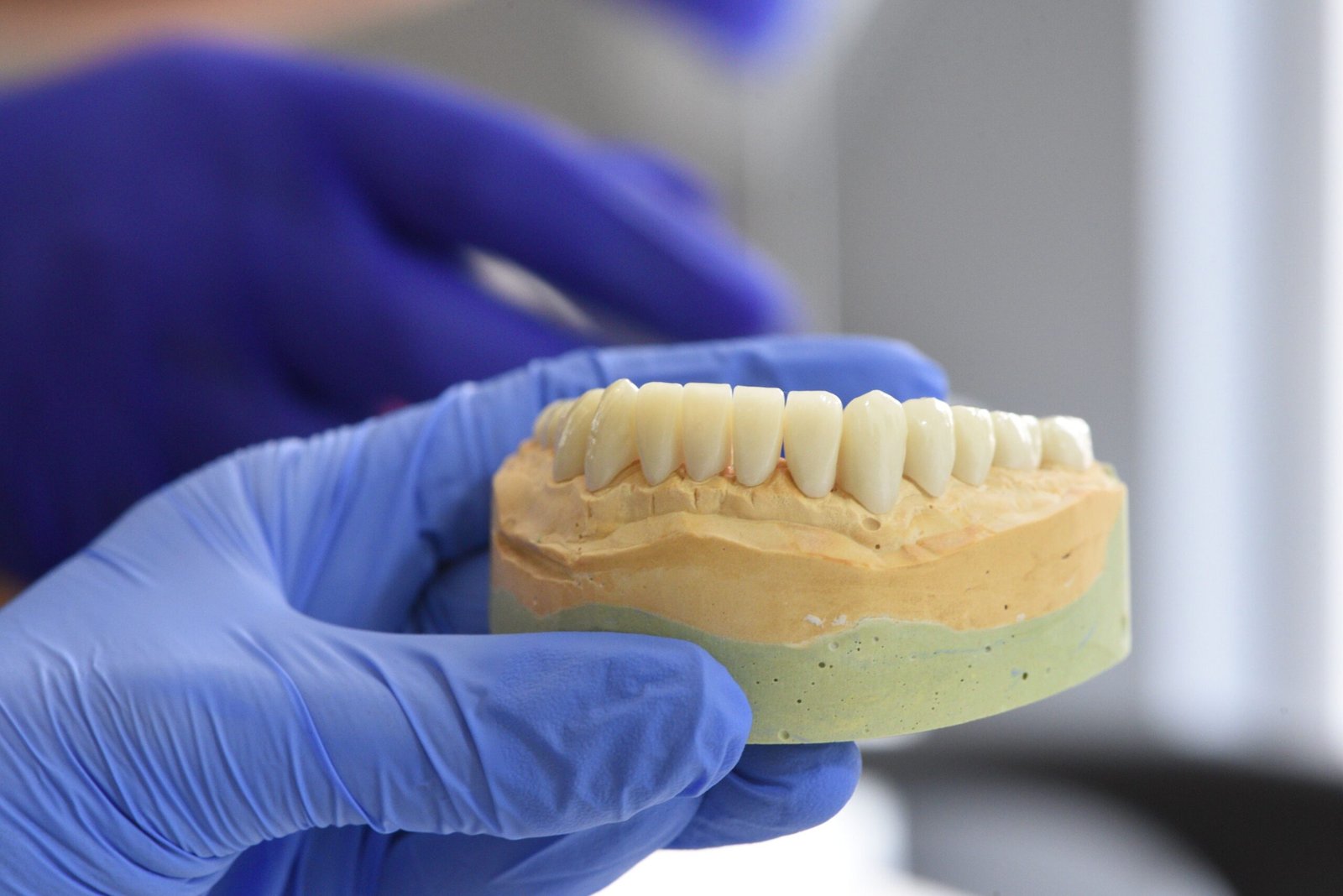
In 2015, a systematic review of 67 studies covering 4,663 metal-ceramic and 9,434 all-ceramic crowns on natural teeth estimated 5-year survival at 94.7% for metal-ceramic, 96.6% for glass-ceramic, and 92.1% for densely sintered zirconia (Sailer et al., Dental Materials, 2015). Those numbers are the best available answer to “how long do crowns last,” and they don’t say what most people assume.
A 5-year survival figure of 95% doesn’t mean crowns last five years. It means about 19 in 20 were still in place at five years, and the studies didn’t follow most of them much further. This guide covers what the survival data shows by material, why a single lifespan can’t be quoted honestly, what shortens a crown’s life, and where the evidence simply runs out.
Key Takeaways A 2015 review of 67 studies found 5-year survival of 94.7% for metal-ceramic, 96.6% for glass-ceramic, and 92.1% for densely sintered zirconia crowns on natural teeth. Survival isn’t lifespan: the reviews track 3 to 5 years, and solid zirconia on natural teeth has about one year of average follow-up. None of the reviews here reports 10-year crown data.
How Long Do Different Crown Materials Last?
Most last at least five years, and the differences between common materials are modest. In the 2015 review, 5-year survival was 94.7% for metal-ceramic crowns, 96.6% for leucite or lithium-disilicate glass-ceramic, 94.6% for glass-infiltrated alumina, 96% for densely sintered alumina, and 92.1% for densely sintered zirconia. Feldspathic and silica-based ceramic crowns performed worse than the others (Sailer et al., Dental Materials, 2015).
Location mattered for two materials. In the back of the mouth, feldspathic ceramic and zirconia crowns had significantly lower survival (p < 0.0001), while other types performed similarly in front and back teeth. The authors concluded that survival of most all-ceramic crowns was similar to metal-ceramic, that weaker feldspathic ceramics should be limited to front teeth, and that zirconia-based crowns shouldn’t be the primary option because of technical problems (Sailer et al., Dental Materials, 2015).
[CITATION CAPSULE] A 2015 systematic review of 67 studies and more than 14,000 crowns on natural teeth estimated 5-year survival at 94.7% for metal-ceramic, 96.6% for glass-ceramic, and 92.1% for densely sintered zirconia. Most all-ceramic crowns performed similarly to metal-ceramic, while zirconia crowns had more veneering ceramic fractures and loss of retention (Sailer et al., Dental Materials, 2015).
Why Can’t Anyone Give a Single Lifespan?
Because the studies measure survival at fixed points, usually 3 to 5 years, and because “survival” means the crown was still in place, not that nothing went wrong. In reviews of this type, survival generally means the crown is still in the mouth, even if it needed a repair along the way, which is why a separate complication-free figure is reported. A 2018 review of implant-supported crowns found 86.7% of metal-ceramic and 83.8% of zirconia crowns had no biological or technical complications over the study period, a lower figure than survival, though the zirconia number came from only 76 crowns (Pjetursson et al., Clinical Oral Implants Research, 2018).
The newer designs have even shorter records. A 2021 meta-analysis of implant crowns reported 3-year survival estimates, including 96.1% for monolithic zirconia (Pjetursson et al., Clinical Oral Implants Research, 2021). And a 2022 meta-analysis of solid zirconia on natural teeth found survival from 91 to 100% with a mean exposure of only 1.07 years (Leitao et al., Journal of Prosthodontic Research, 2022).
[UNIQUE INSIGHT] A “10 to 15 year” crown lifespan is the kind of figure that circulates without a source in sight. The reviews behind this guide don’t contradict it, but they don’t support it either. What they support is that most crowns are still in place at five years, which is a more modest and more defensible claim.
What Shortens a Crown’s Life?
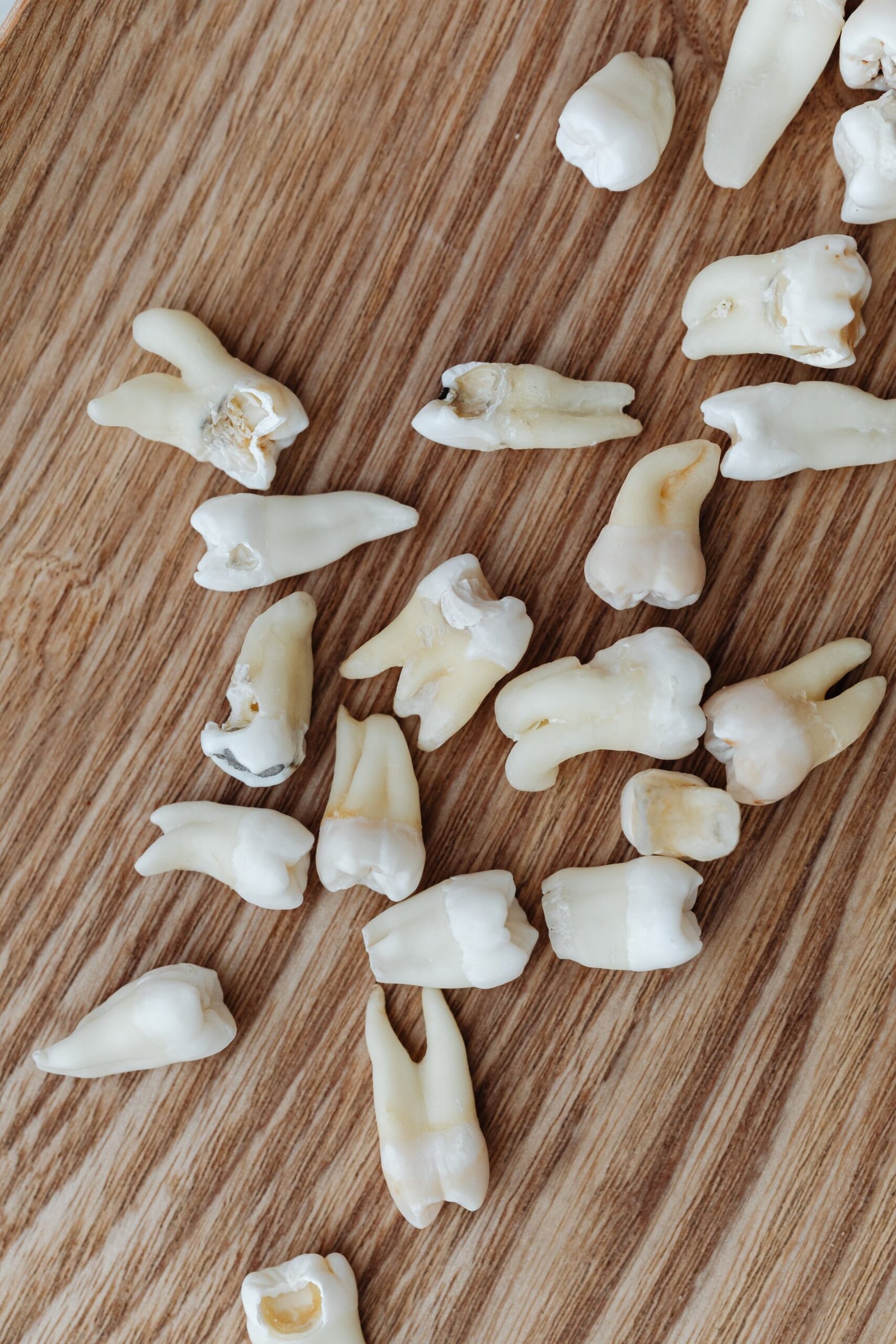
Technical problems are the best-documented cause, and they vary by material. In the tooth-supported review, densely sintered zirconia crowns were lost more often to veneering ceramic fracture and to loss of retention (p < 0.001 for both), and all-ceramic crowns overall had higher 5-year rates of framework fracture than metal-ceramic ones (Sailer et al., Dental Materials, 2015). The review also tracked biological and esthetic complications, though the abstract doesn’t give rates for them.
Grinding is the other flag. In the 2022 solid-zirconia meta-analysis, one study of patients with bruxism reported a survival rate of only 31.6%, far below the 91 to 100% elsewhere (Leitao et al., Journal of Prosthodontic Research, 2022). It’s a single study in a pooled analysis with very high heterogeneity, so treat it as a reason to have your bite assessed, not a prediction.
What the studies don’t tell you is how much daily habits, hygiene, and recall visits change the odds, since they were designed to compare materials. For the habits that tend to damage dental work, see what damages implants and veneers, and for how often to be checked, the checkup frequency guide.
[PERSONAL EXPERIENCE] Patients usually ask how many years they’ll get from a crown, and the honest reply is a range with a reason attached. The crown matters, but so do how much natural tooth is left underneath, how they chew, and whether they grind, none of which a materials review can price in.
How Do Crowns Compare With Other Restorations?
Crowns on natural teeth have a 5-year record in the mid-90s, and implant crowns look similar in short follow-up, but the reviews don’t compare them with each other. For comparison, the veneers pillar cites 10-year survival of 95.5% for porcelain veneers in a different review, with longer follow-up than most crown data, which is covered in how long veneers last. Implants have their own record in how long dental implants last.
Isn’t it more useful to compare what each option costs you in tooth structure than in years? That’s the angle in the crown vs. veneer guide, and the price side is in the crown cost guide.
[ORIGINAL DATA] We’re evaluating tracking, in general terms, how long crowns placed in this practice stay in function and why they’re replaced, without publishing a figure until it’s properly recorded across a larger patient base.
Frequently Asked Questions
How many years does a dental crown last?
Studies report survival, not lifespan. A 2015 review of 67 studies found 5-year survival of 92.1% to 96.6% depending on material. None of the reviews here reports 10-year survival, so longer lifespans are plausible but not established by them.
Which crown material lasts longest?
Not clearly any one. In the 2015 review, glass-ceramic (96.6%) and densely sintered alumina (96%) led, with metal-ceramic at 94.7% and zirconia at 92.1%, though the zirconia interval was wide. Solid zirconia has about one year of average follow-up on natural teeth.
Do zirconia crowns last longer than porcelain?
Not on current evidence. A 2018 review of implant crowns found similar 5-year survival for zirconia (97.6%) and metal-ceramic (98.3%), with more material fractures in zirconia (2.1% against 0.2%).
Can a crown last a lifetime?
The reviews don’t show it. They follow crowns for a few years, and complication-free survival was lower than survival in the implant review (83.8% to 86.7%). A crown that still sits in the mouth may still have been repaired.
Does grinding shorten crown life?
It may. One study of patients with bruxism in a 2022 solid-zirconia meta-analysis reported 31.6% survival, though a single study isn’t conclusive. Ask for a bite assessment and whether a night guard makes sense.
Conclusion
Crowns on natural teeth survived at roughly 92% to 97% at five years, depending on material, and solid zirconia has barely a year of average follow-up on natural teeth. The honest answer to “how long” is “most crowns are still in place at five years, and the evidence stops there.”
The practical step is to ask for the material, the design, and how your bite was assessed, then keep up regular checkups. For the material itself, see Zirconia Crowns: Strength, Appearance, and Drawbacks.
Sources
- Sailer I, Makarov NA, Thoma DS, Zwahlen M, Pjetursson BE, All-ceramic or metal-ceramic tooth-supported fixed dental prostheses (FDPs)? A systematic review of the survival and complication rates. Part I: Single crowns (SCs), Dental Materials 2015;31(6):603-623, retrieved 2026-11-02 (Tier 1, 67 studies, 4,663 metal-ceramic and 9,434 all-ceramic crowns, abstract-level data; the pairing of survival figures to ceramic types follows the abstract’s run-on sentence)
- Pjetursson BE, Valente NA, Strasding M, Zwahlen M, Liu S, Sailer I, A systematic review of the survival and complication rates of zirconia-ceramic and metal-ceramic single crowns, Clinical Oral Implants Research 2018;29(Suppl 16):199-214, retrieved 2026-11-02 (Tier 1, 35 studies, implant-supported crowns, abstract-level data)
- Pjetursson BE, Sailer I, Latyshev A, Rabel K, Kohal RJ, Karasan D, A systematic review and meta-analysis evaluating the survival, the failure, and the complication rates of veneered and monolithic all-ceramic implant-supported single crowns, Clinical Oral Implants Research 2021;32(Suppl 21):254-288, retrieved 2026-11-02 (Tier 1, 49 studies, abstract-level data)
- Leitao CIMB, Fernandes GVO, Azevedo LPP, Araujo FM, Donato H, Correia ARM, Clinical performance of monolithic CAD/CAM tooth-supported zirconia restorations: systematic review and meta-analysis, Journal of Prosthodontic Research 2022;66(3):374-384, retrieved 2026-11-02 (Tier 1, 9 studies, abstract-level data)
- Cross-referenced 10-year porcelain veneer survival (95.5%) from this site’s How Long Do Veneers Last guide, originally from Alenezi et al., Journal of Clinical Medicine 2021, retrieved 2026-11-02 (Tier 1 via cross-reference)