In 2019, a systematic review and meta-analysis of 473 single implants, with follow-up from 12 to 96 months, found 94.9% survival for implants placed immediately after tooth removal and 98.9% for implants placed after waiting at least three months (relative risk 0.96, 95% CI 0.93 to 0.99). Every failure was an early failure (Cosyn et al., Journal of Clinical Periodontology, 2019).
“Same day” sounds like one decision, and it’s two. Whether the implant goes in on the day the tooth comes out is one question. Whether the crown goes on the same day is another. The evidence differs for each, and clinics rarely separate them. This guide covers what each choice involves, what the trials show, who tends to qualify, and what to ask.
Key Takeaways Immediate placement had 94.9% survival against 98.9% for delayed placement in a 2019 meta-analysis of 473 single implants, with all failures occurring early. Loading the crown immediately showed no convincing difference from waiting in a Cochrane review of 26 trials. Same-day results depend on bone stability and a controlled site, and the studies were small and mostly at high risk of bias.
What Does “Same Day” Actually Mean?
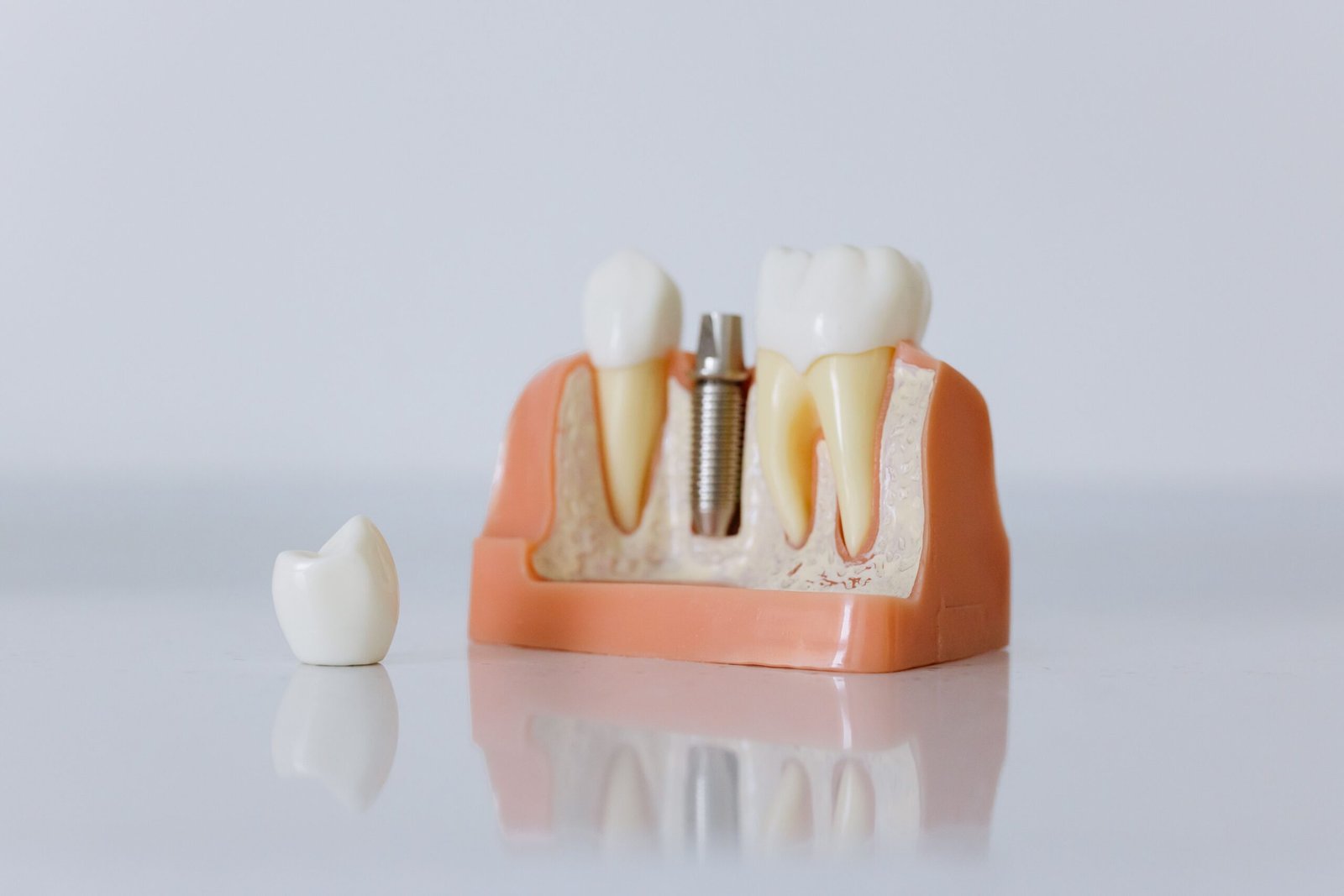
Two separate things, often sold together. Immediate placement means the implant goes into the socket at the same appointment as the tooth extraction, instead of after the socket heals. Immediate loading means a crown, temporary or final, is attached to the implant right away instead of after months of healing. In the Cochrane review on loading, “immediate” meant within one week (Esposito et al., Cochrane Database of Systematic Reviews, 2013).
You can have one without the other. An implant can be placed immediately and left to heal under the gum, or placed in a healed site and loaded the same day. The riskier-sounding combination, both on one day, is what many “same day” offers describe. That’s why the numbers below are best read separately.
[UNIQUE INSIGHT] When a clinic promises a same-day implant, ask which of the two it means. Pooled data show a higher risk of early implant loss when the implant goes in immediately, and no convincing difference when the crown goes on early. They’re different bets with different evidence, and bundling them under one name hides that.
Is Immediate Placement Riskier Than Waiting?
Somewhat, in the pooled data, though the studies are small. The 2019 meta-analysis pooled 3 randomized trials and 5 non-randomized studies, covering 233 immediate and 240 delayed implants. Survival was 94.9% against 98.9%, and all failures were early. One randomized trial was at unclear risk of bias, and all the other studies were at high risk (Cosyn et al., Journal of Clinical Periodontology, 2019).
An antibiotic subgroup was suggestive. Without postoperative antibiotics, immediate placement trended toward lower survival (RR 0.93, 95% CI 0.86 to 1.00, p = 0.07). With postoperative antibiotics, there was no difference (RR 0.98, 95% CI 0.94 to 1.02). That’s a subgroup of small studies, so it’s a pointer for discussion with your dentist, not a protocol. Esthetic scores and probing depth were similar between the two approaches, and bone-loss and recession data were conflicting and highly biased.
[CITATION CAPSULE] A 2019 meta-analysis of 3 randomized trials and 5 non-randomized studies found immediate placement of single implants had 94.9% survival against 98.9% for delayed placement across 473 implants, with all failures occurring early and nearly all studies at high risk of bias (Cosyn et al., Journal of Clinical Periodontology, 2019).
Does Putting the Crown On Right Away Change the Outcome?
Not convincingly. A Cochrane review of loading times included 26 randomized trials with 1,217 participants and 2,120 implants. For immediate versus conventional loading, implant failure showed no clear difference (RR 1.65, 95% CI 0.68 to 3.98) and neither did prosthesis failure (RR 1.87, 95% CI 0.70 to 5.01). Bone loss was slightly lower with immediate loading (mean difference -0.10 mm), a difference the authors noted may not matter clinically (Esposito et al., Cochrane Database of Systematic Reviews, 2013).
A 2014 meta-analysis focused on single-implant crowns reached the same place. Across 10 randomized trials, one-year survival did not differ significantly between immediate and conventional loading (OR 0.75, 95% CI 0.32 to 1.76), and neither did year-one bone loss (SMD -0.05 mm, 95% CI -0.41 to 0.31) (Benic et al., International Journal of Oral and Maxillofacial Implants, 2014). The authors added a condition: that finding rests mainly on implants with high insertion torque, 20 to 45 Ncm or more, or stable measurements, without bone augmentation at the same time.
Who Qualifies for a Same-Day Implant?
The conditions in the trials point to the answer: good primary stability, adequate bone, and a controlled site. The loading evidence above held for implants that were firmly anchored when placed and that weren’t combined with bone grafting. When those conditions aren’t met, waiting is the more conservative route. This is a reading of the trial conditions plus general clinical practice, not a published eligibility checklist.
Factors that tend to push toward waiting include infection or lost bone at the extraction site, a thin socket wall, uncontrolled diabetes, and heavy smoking, which the candidacy guide and the diabetes and smoking guide cover. A 3D scan is how bone volume and nearby structures get assessed, as the CBCT planning guide explains.
[PERSONAL EXPERIENCE] Patients usually ask whether they can have it done in one day, when the more useful question is whether they should. The answer often depends on what the extraction site looks like once the tooth is out, and that can change the plan on the day.
How Is This Different From All-on-4 Same-Day Teeth?
It’s the single-tooth version of a different procedure. Full-arch same-day teeth involve several implants splinted together and a fixed temporary bridge, and the same-day teeth timeline covers that case. The findings in this guide come from single-implant studies and shouldn’t be carried over to full-arch cases.
For how the crown itself gets made, including chairside milling, see the CEREC same-day crown guide, which covers an umbrella review of immediate versus delayed loading that this guide doesn’t repeat.
What Should You Ask Before Agreeing to a Same-Day Implant?
Five questions get to the point quickly:
- Is the implant being placed immediately, loaded immediately, or both?
- How stable is the implant expected to be at placement, and what happens if it isn’t?
- Is bone grafting needed, and does that change the timing?
- Will I get antibiotics afterward, and why or why not?
- What’s the plan and cost if an early implant fails?
Isn’t a good answer to the last one a sign of a well-planned case? Pricing for the single-tooth route is covered in the single-tooth implant cost breakdown, and the wider picture in the Dubai implant cost guide.
[ORIGINAL DATA] We’re evaluating recording, in general terms, how often a planned immediate implant in this practice is changed to a delayed one on the day of surgery, without publishing a figure until it’s properly documented across a larger patient base.
Frequently Asked Questions
Are same-day dental implants as safe as waiting?
Slightly less in pooled data for immediate placement. A 2019 meta-analysis of 473 single implants found 94.9% survival against 98.9% for delayed placement, with all failures early. Immediate loading of the crown showed no convincing difference in a Cochrane review.
Can you get a crown on the same day as the implant?
Sometimes. A 2014 meta-analysis of 10 randomized trials found no significant difference in one-year survival between immediate and conventional loading, mainly in implants with high insertion torque and no simultaneous bone augmentation.
Does a same-day implant need antibiotics?
The 2019 meta-analysis found a trend toward lower survival with immediate placement without postoperative antibiotics (RR 0.93) and no difference with them (RR 0.98). It’s a small-study subgroup, so discuss it with your dentist.
Who isn’t a candidate for a same-day implant?
Often people with infection or bone loss at the site, poor implant stability, or uncontrolled diabetes. That’s general clinical practice, not a published checklist, and a scan and examination decide.
Is a same-day implant the same as All-on-4?
No. All-on-4 replaces a full arch with several implants and a fixed bridge, while a same-day single implant replaces one tooth. The studies behind each aren’t interchangeable.
Conclusion
“Same day” combines two decisions. Immediate placement carried a slightly higher early failure risk in pooled data, while immediate loading showed no convincing difference, mostly in well-anchored implants without bone grafting. The studies were small and mostly at high risk of bias.
The practical step is to ask which part is happening on the day and what the plan is if the implant isn’t stable. For the stages that follow, see Dental Implant Recovery Timeline.
Sources
- Cosyn J, De Lat L, Seyssens L, Doornewaard R, Deschepper E, Vervaeke S, The effectiveness of immediate implant placement for single tooth replacement compared to delayed implant placement: A systematic review and meta-analysis, Journal of Clinical Periodontology 2019;46(Suppl 21):224-241, retrieved 2026-11-03 (Tier 1, 3 RCTs and 5 non-randomized studies, 473 implants, one RCT at unclear and all others at high risk of bias, abstract-level data)
- Esposito M, Grusovin MG, Maghaireh H, Worthington HV, Interventions for replacing missing teeth: different times for loading dental implants, Cochrane Database of Systematic Reviews 2013;3:CD003878, retrieved 2026-11-03 (Tier 1, 26 RCTs, 1,217 participants, 2,120 implants, risk of bias 3 low, 12 high, 11 unclear, abstract-level data, published 2013)
- Benic GI, Mir-Mari J, Haemmerle CH, Loading protocols for single-implant crowns: a systematic review and meta-analysis, International Journal of Oral and Maxillofacial Implants 2014;29(Suppl):222-238, retrieved 2026-11-03 (Tier 1, 10 RCTs for immediate versus conventional loading, abstract-level data, published 2014)
- General clinical practice on factors favoring delayed placement (infection, bone loss, thin socket wall, uncontrolled diabetes, heavy smoking), retrieved 2026-11-03 (Tier 4, not a published eligibility checklist)
- Cross-referenced immediate versus non-immediate loading umbrella review from this site’s CEREC same-day crown guide, retrieved 2026-11-03
- Google Ads keyword search volume for “same day dental implants dubai”, DataForSEO, retrieved 2026-11-03 (about 260 searches per month in Dubai, September 2026)